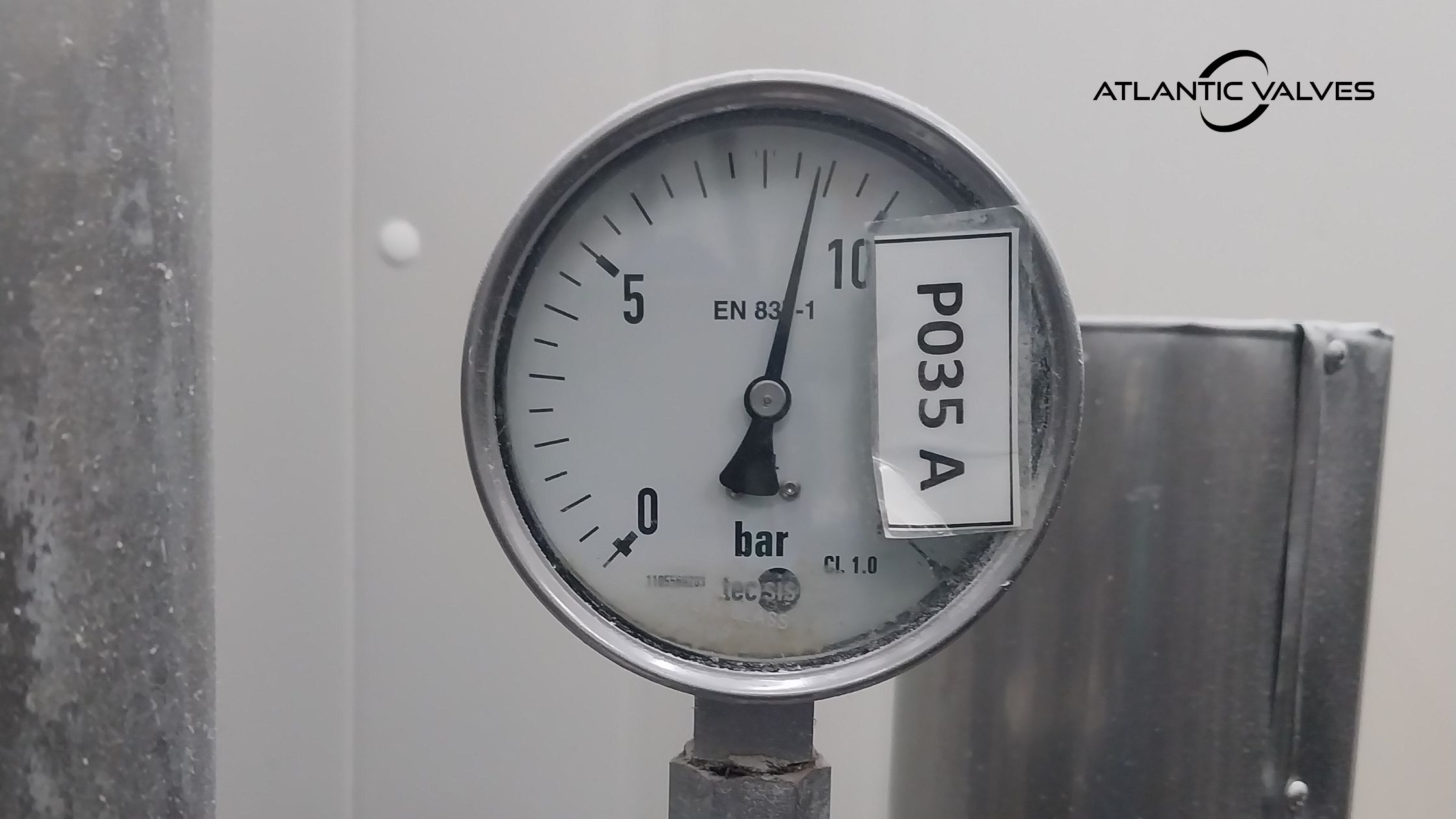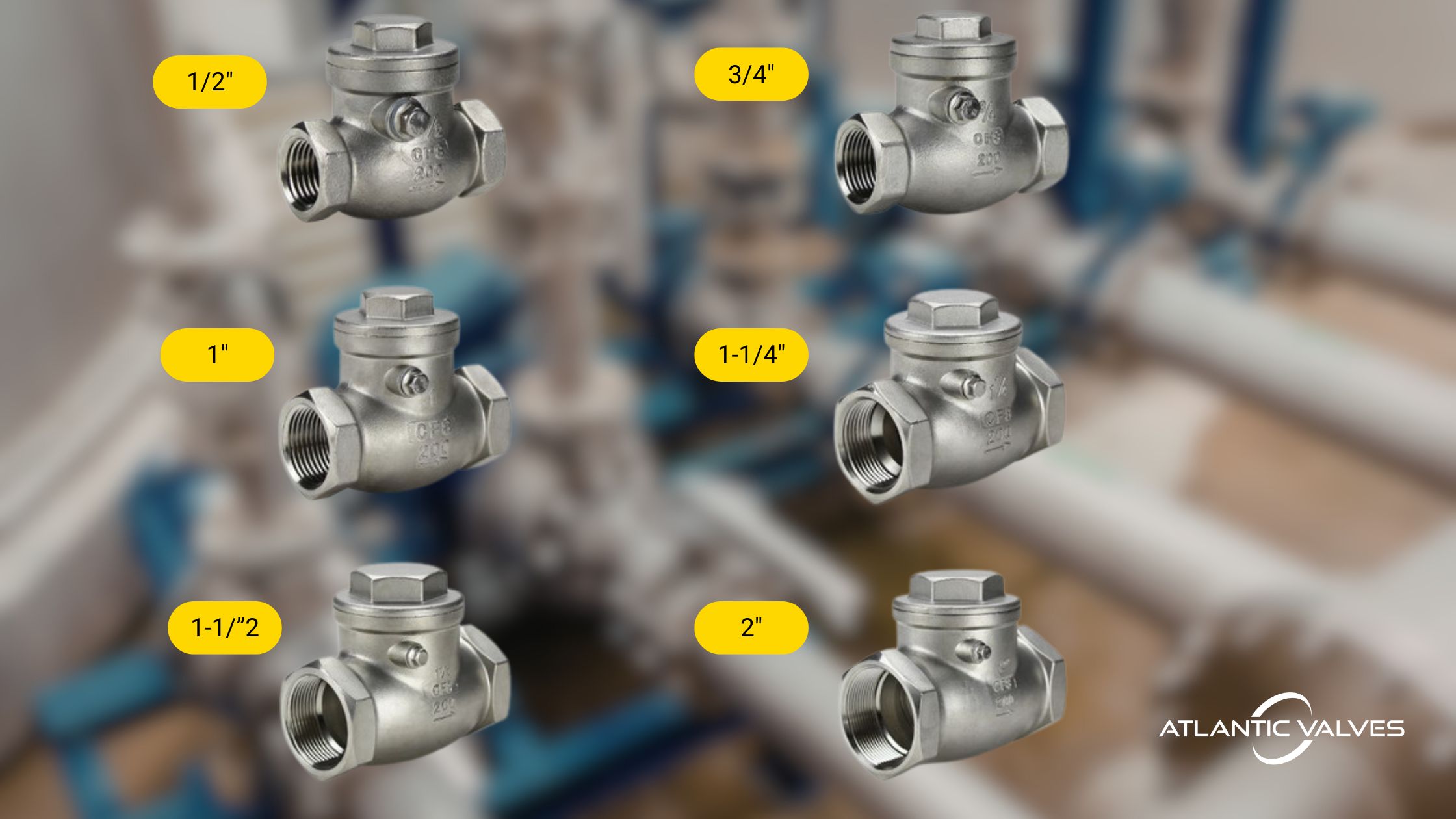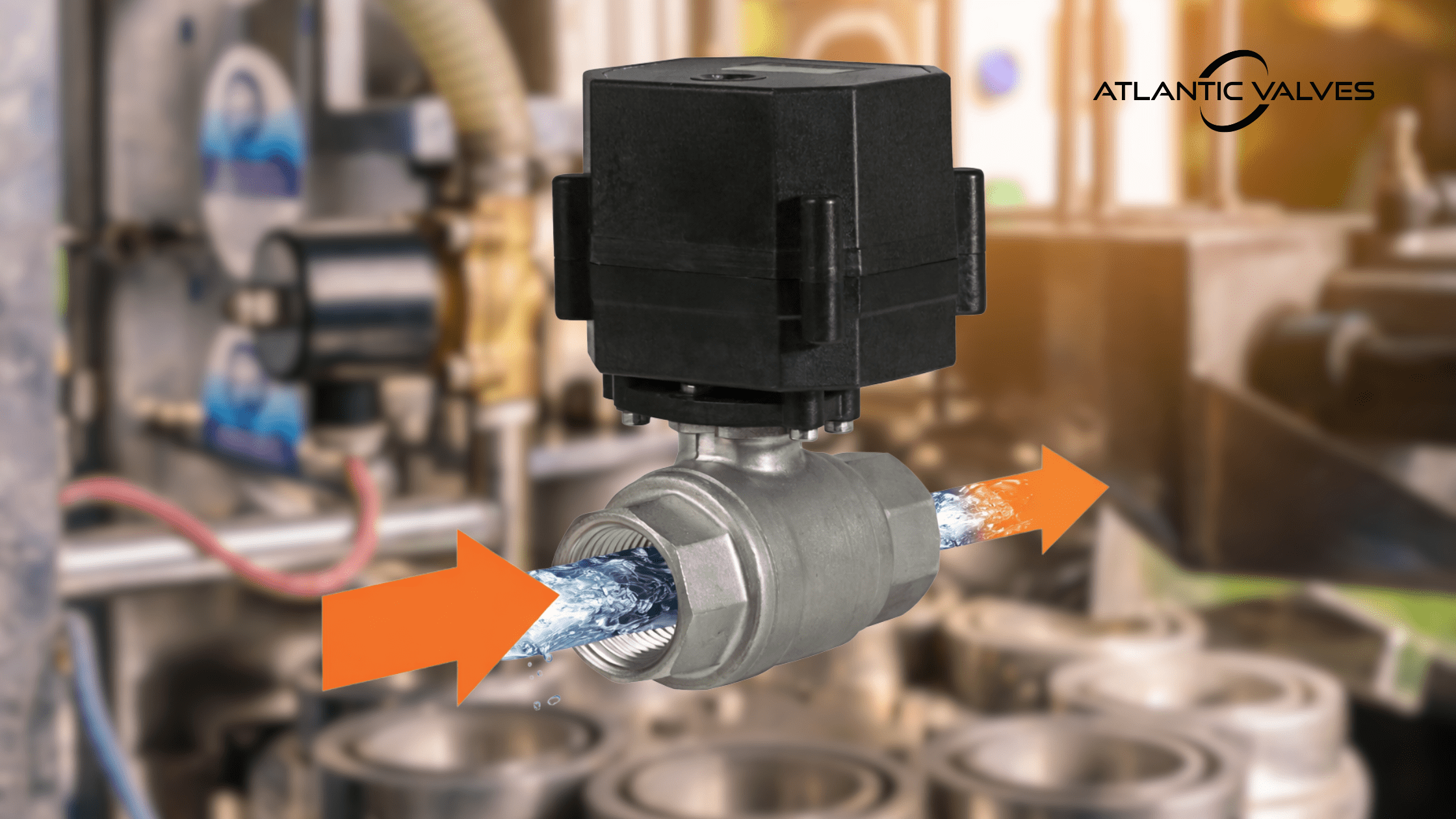

Selecting the right water line check valve for an industrial system is more than matching pipe size and pressure class. While water service appears straightforward, system dynamics during startup, shutdown, and pump cycling can significantly affect valve performance. Understanding how a water line check valve behaves under real operating conditions helps prevent water hammer, premature wear, and recurring maintenance issues.
Check valves are an integral part of any hydraulic system. Its function is to prevent or stop backflow in a system, this is done by allowing fluid flow in one direction and completely blocking flow from the opposite direction.
Compared to process fluids, water service can look straightforward. However, any moving fluid carries momentum. When flow direction changes quickly, pressure disturbances follow. Choosing the right check valve isn’t complicated, but it does require looking beyond pipe size and pressure class. It means understanding what actually happens in the system during startup, shutdown, and normal operation.
We have previously discussed How To Size Check Valves To Reduce Water Hammer and Nuisance Failures. This guide will walk us through how to approach check valve selection the way an engineer would in real-world industrial applications.
Evaluation Before Valve Selection
Before choosing a valve type, step back and look at the system itself.
- Is this installed directly on a pump discharge?
- Does the pump cycle frequently?
- Is the flow steady or does it fluctuate?
- How long is the pipeline?
- Is the water clean, treated, or carrying solids?
Two lines with the same diameter can behave very differently depending on pump speed, layout, and elevation changes. Industrial piping codes like ASME B31.3 require components to handle system pressure and service conditions. So even for “just water,” proper selection matters.
What Really Happens When a Pump Stops
When a pump shuts down — planned or unplanned — the flow does not instantly drop to zero. Water continues moving forward because of momentum. If the system layout allows, it may begin to reverse direction before the valve closes.
If the valve closes slowly, reverse flow can build up. When the disc finally seats, it can hit hard. That’s the bang operators sometimes hear. That noise is pressure energy moving through the pipe.
Fluid transient behavior refers to the unsteady flow in a water piping system caused by disturbances creating changes in pressure and flow velocity. In day-to-day engineering work, you usually see it in the form of repeated mechanical issues — loosened supports, shortened seal life, gasket problems.
This is why closing speed matters. Not all check valves react the same way under dynamic conditions.
Comparing the Types of Check Valves
Swing Check Valves
The swing check valve is probably the most familiar design. A hinged disc swings open with forward flow and drops back when flow reverses.
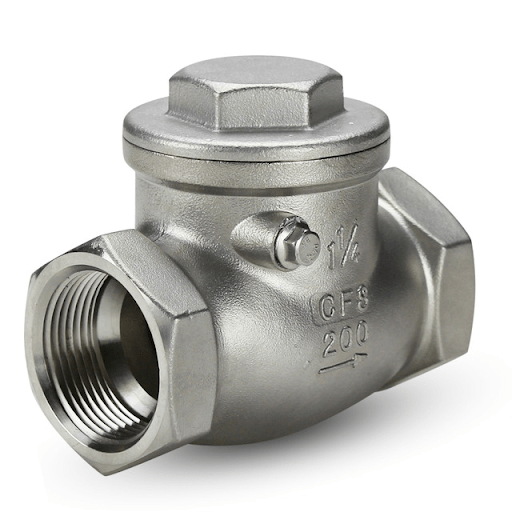
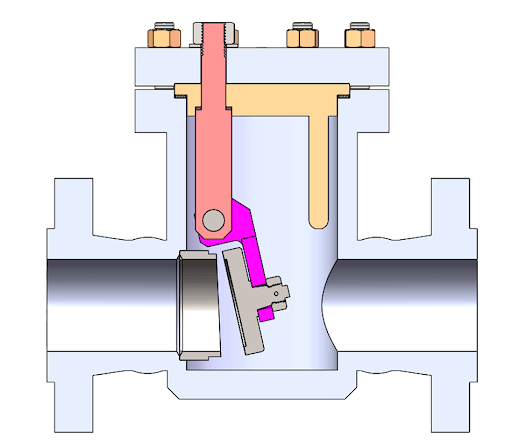
Typical use:
- Low velocity or gravity-fed systems
- Water distribution
They offer low pressure drop but close more slowly compared to spring-assisted designs. In pump discharge service, they can allow some reverse flow before seating.
Wafer Check Valve
Wafer check valves are compact designs installed between flanges. They may use a single plate or dual plates.
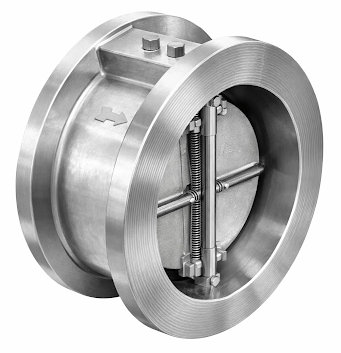
Typical use:
- Space-limited installations
- Medium-pressure water systems
- Pump discharge lines
They are lighter and shorter face-to-face compared to full-body flanged valves.
Spring Loaded Check Valves
Spring loaded check valves use an internal spring to hold the disc or poppet closed. Forward pressure compresses the spring and opens the valve. When upstream pressure drops, the spring pushes the closure member back into the seat before significant reverse flow develops

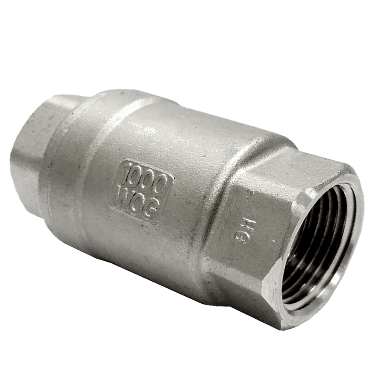
Typical use:
- Utility lines
- Small pump systems
- Compressed air
Because the spring helps close the valve quickly, these reduce slam compared to gravity-based types.
Ball Check Valve
A ball check valve is a type of check valve that uses a spherical ball to allow flow in one direction and prevent backflow.
Typical use:
- Wastewater
- Slurry service
- Dirty fluids
Because the ball rolls away from the seat, these tolerate solids better than guided disc designs.
Spring Loaded Y-Pattern Check Valve
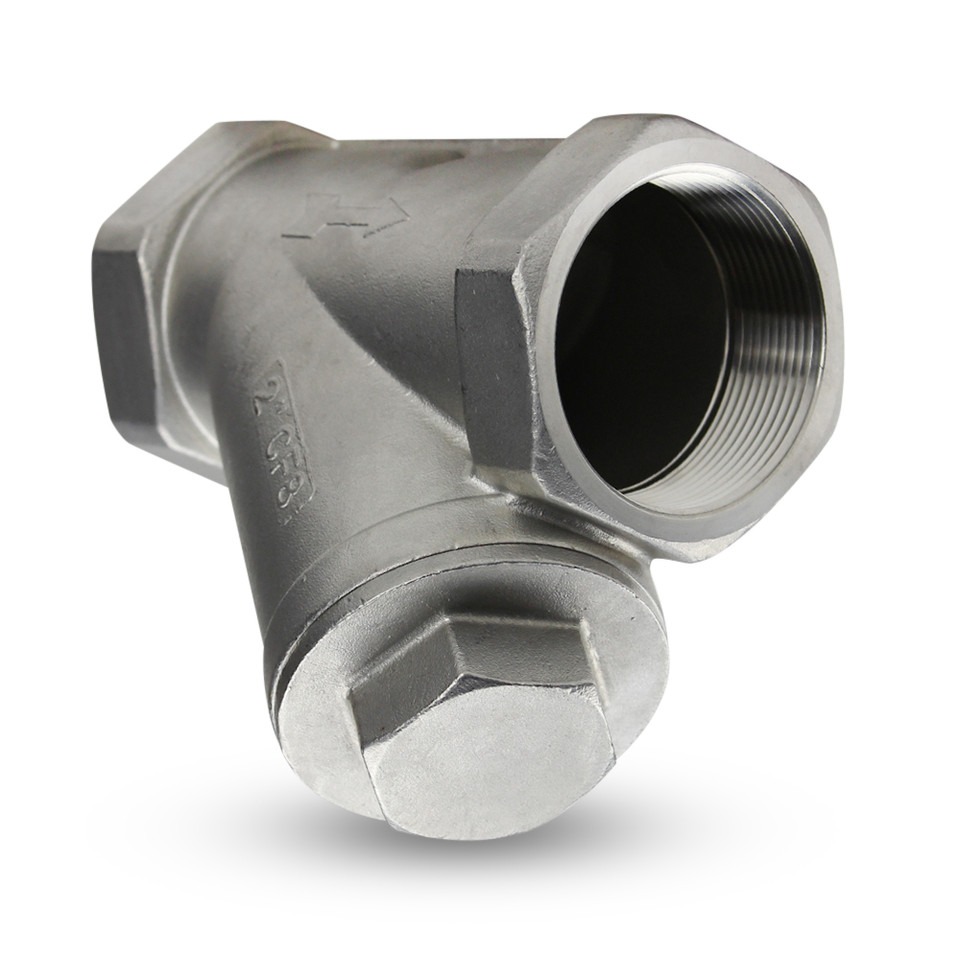
Y-pattern valves angle the seat and disc for easier maintenance access.
Movement type: Linear lift with spring assist
Typical use:
- Higher-pressure systems
- Applications requiring maintenance access
The Y-body design allows easier removal of internal components compared to straight-body lift valves.
Don’t Ignore Pressure and Temperature Ratings
Even in water systems, pressure ratings must match operating conditions. ASME B16.34 provides pressure-temperature rating guidance for many industrial valves.
Always verify:
- Maximum operating pressure
- Temperature limits
- Body material suitability
Material Matters More Than You Think
Water quality varies.
- Clean cooling water is relatively mild.
- Treated water may contain chemicals.
- Industrial wash water may carry particles.
- Elevated temperature can accelerate corrosion.
Common body materials include cast iron, ductile iron, carbon steel, and stainless steel. Each has strengths and limitations.
The seat material also matters. Rubber, elastomers, and metal seats each respond differently to temperature and chemical exposure.
Selecting the wrong material may not fail immediately — but it may significantly shorten valve life.
Installation Makes a Difference
Even the right valve can behave poorly if installed incorrectly.
Basic considerations:
- Install close to pump discharge when possible.
- Avoid installing immediately downstream of elbows.
- Ensure correct orientation.
- Provide adequate upstream straight run.
- Small layout decisions influence how smoothly the disc moves.
Field failures are sometimes blamed on the valve design when installation conditions are actually the issue.
The Oversizing Problem
Matching valve size directly to pipe size is common practice. It’s also where many long-term issues begin.
If the actual flow rate is low relative to valve bore, the disc may never fully stabilize in the open position. Instead, it can oscillate slightly with minor flow changes. That oscillation increases wear at hinge points or guides.
Checking minimum velocity requirements is not difficult. It just requires taking actual operating flow into account.
A Practical Selection Approach
When evaluating a water line check valve, it helps to go through a simple checklist:
- What is the normal operating flow rate?
- What happens during pump shutdown?
- Is water hammer already observed?
- Is space limited?
- What pressure class is required?
- Is the water chemically treated?
- How accessible is the installation for maintenance?
There is rarely a single “correct” valve type for all applications. The decision should reflect how the system behaves.
Final Thoughts
In most industrial facilities, the check valve is not the most expensive component. But it can influence reliability more than its cost suggests.
When selected with attention to flow behavior, pressure class, material compatibility, and installation details, it does its job without drawing attention.
When selected casually, it often becomes a recurring maintenance item.
The difference is usually not complexity. It’s simply whether the system dynamics were considered during specification.
Need Help Selecting the Right Check Valve?
Browse our industrial check valve category or request sizing assistance from our technical team.