Controlling hydraulic motion requires integrating flow control devices, like hydraulic solenoid valves, to achieve the requisite efficiency, accuracy, and repeatability. Valve distributors receive product requests from customers in different fields. Expect requests from customers in construction, mining, manufacturing, energy, marine, and agriculture, among others.
This article discusses hydraulic solenoid valves, their performance, and selection criteria.
Working Principle and Construction of the Hydraulic Solenoid Valve
Hydraulic solenoid valves are electromechanical flow control devices that use oil as the working fluid. A hydraulic solenoid valve consists of:
- Solenoid coil – converts electrical energy into a magnetic force. The magnetic force provides the mechanical energy needed to open or close valve ports. Solenoid coils can use direct current or alternating current. You can stock 110V AC,220V-240V AC 12V DC or 24V DC hydraulic solenoid valves from Atlantic Valves.
- Plunger – mechanically moves within the valve body, opening or closing ports to facilitate the desired fluid control.
- Seals and valve seats – they prevent hydraulic fluids from leaking. They provide a tight shut-off, ensuring fluids do not escape the valve body.
- Valve body – houses internal valve components, protecting them from the impacts of the operating environment. They’re usually machined from high-strength materials for durability and to accommodate system pressure.
- Return mechanism – it ensures the valve returns to a default position once the electric power is withdrawn. Spring return mechanisms are more preferable for heavy-duty hydraulic solenoid valves.
Hydraulic solenoid valves require electrical power to work. Electricity passes through the solenoid coil, creating a voltage drop that energizes it. The voltage generates a magnetic force. This force acts on the plunger/spool and alters its position within the valve body. Changing spool positions opens or closes valve ports to control fluid flow.
Direct-Acting or Pilot-Operated
Hydraulic solenoid valves can either be direct-acting or pilot-operated.
- In a direct-acting valve, the solenoid directly alters the position of the plunger. That is, the solenoid valve directly moves the spool to close or open valve ports. A direct-acting solenoid valve is preferable for fast-response operations and low-pressure fluid circuits. Direct-acting solenoid valves are found in equipment braking systems (e.g, forklifts and farm machinery), hydraulic lock and shut-off systems, and hydraulic lab testing equipment.
- Pilot-operated hydraulic solenoid valves use a small, direct-acting valve that opens a pilot orifice. This allows fluid to flow, controlling the opening and operation of a larger spool. Pilot-operated hydraulic solenoid valves are ideal for operations where pressure and high flow capacities are critical. Examples of such operations are fluid control in hydraulic presses, forming machines, and marine steering systems.
Types of Hydraulic Solenoid Valves
As a distributor, you must understand the specifics of hydraulic solenoid valves. This knowledge enables you to advise customers with varying levels of knowledge of hydraulic solenoid valves. What are the technical specifications you should discuss with a customer looking for Atlantic Valves products?
Hydraulic solenoid valves based on port configurations
The number of ports dictates the flow paths of a hydraulic solenoid valve and the complexity of hydraulic circuits it can control. The following are the available port configurations:
2/2 Way hydraulic solenoid valves
Such valves contain two ports, one of which is an inlet and the other an outlet. It also has two positions, meaning the valve can be open or closed at any particular moment. The 2/2 way valve allows oil to flow or stop flowing when the solenoid coil is energized or de-energized.
2/2 way hydraulic solenoid valves are ideal for on-off hydraulic flow and can be used for isolating or venting industrial hydraulic circuits. Such valves are found in agricultural machines for supplying hydraulic fluid to small cylinders.
3/2 way hydraulic solenoid valves
These valves contain 3 ports and 2 positions. The three ports are supply, actuation and return ports, respectively. The valves can be in an energized or de-energized position at any instance. In operation, the valve either supplies fluid pressure or returns the flow.

3/2 way valves
3/2 way valves are common in single-acting hydraulic cylinders and systems where pilot signals are required to operate large hydraulic circuits. An example of a 3/2 way hydraulic solenoid valve is a brake release valve in mobile construction equipment (wheel loader).
4/2 way hydraulic solenoid valves
These valves have 4 ports and 2 positions. Typically, the valve contains two actuator ports, a port to a reservoir (tank), and a pressure port. The 2 positions are forward and reverse. They are used for directional fluid control in double-acting cylinders and motors.
4/2 way hydraulic solenoid valves are preferable for retracting and extending cylinders in hydraulic press systems, operating hydraulic clamping equipment, and regulating the movement of hydraulic material handling systems.
4/3 way hydraulic solenoid valves
Hydraulic solenoid valves in this category have 4 ports and 3 positions. The three positions provide 3 working states, namely extend, retract, and neutral. They are ideal for hydraulic circuits with a hold function.
4/3 way hydraulic solenoid valves work with double-acting cylinders. Common applications include winch systems for marine systems and hydraulic steering systems for construction equipment.
Hydraulic Solenoid Valves Based on Function
Directional Control Valves
These are valves that solely regulate the direction of fluid flow. They determine which direction an actuator follows.
Flow control valves
Regulate fluid flow rates through hydraulic circuits. By regulating flow rates, you can control how fast the actuators move. Such valves are useful for controlling features like feed rates in machine tools.
Pressure control valves
They control or limit fluid pressure, guaranteeing safe operations.
Hydraulic solenoid valves based on design
Normally closed hydraulic solenoid valve
Valve ports remain closed as long as the solenoid is de-energized. The ports will only open once the circuit is energized. Such systems are ideal for hydraulic circuits susceptible to power losses. The valve will maintain a fail-safe position until power is restored. Typically used with load-holding cylinders and emergency stop hydraulic circuits.
Normally open hydraulic solenoid valve
The valve is always open and only closes when the coil is energized. They are essential for hydraulic circuits demanding continuous and unrestricted fluid flow. The valve can only close for specific events, as maintenance. Industrial cooling and lubrication systems use a normally open hydraulic valve. Such a setup facilitates a continuous supply of fluid to machinery.
How to Select the Right Hydraulic Solenoid Valve
What valve properties do you check before recommending them to a customer? What performance parameters do you discuss with a customer before a purchase? Here are a few features that determine product choices.
Pressure and Flow Capacity
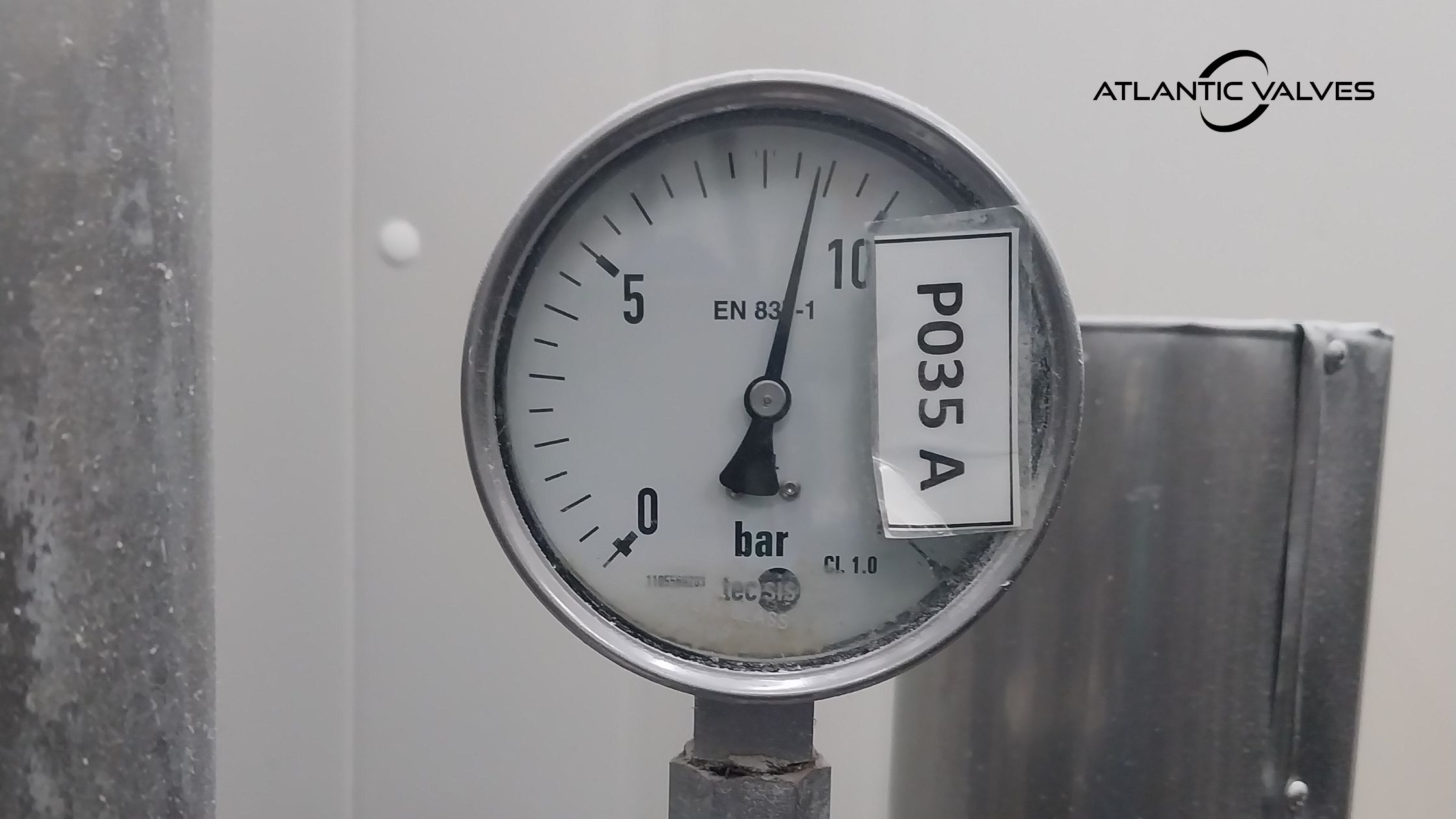
Hydraulic solenoid valves have specific pressure and flow capacity ratings. The valve of choice must deliver adequate fluids at any instance. It must also withstand the pressure (Pmax) of the system. The rated valve pressure must be higher than the designed system pressure.
Consult our manufacturer flow charts to ensure the designed flow rating matches product specifications.
Mounting Standards
How is the customer intending to mount these valves? Are they using standard mountings? How will the valves interface with existing piping components? Our hydraulic solenoid valves have standard port sizes and connectors for easy mounting.
Compatibility with Service Fluids
Seal and body materials affect the longevity of the hydraulic solenoid valve. The valve deteriorates faster if the construction materials do not meet the desired standards. At Atlantic Valves, we select high-quality valve bodies and seal materials, carefully verifying that the materials are compatible with the service fluids and the operating environments.
Electrical Power Requirements
The power rating of the intended hydraulic solenoid valve must match whatever is available at the customer’s premises. Check if the coil voltage rating is compatible with the existing power supply. Confirm whether the customer uses AC or DC power in existing electrical control systems. You should also verify the duty cycle vis-à-vis the power consumption of the valve. Recommend 100% ED (continuous duty) hydraulic solenoid valves for hydraulic circuits that operate continuously around the clock.
Maintenance Requirements
Inform the customer about the long-term cost of valve ownership. It includes regular inspection, maintenance and component replacements. Notify them about common maintenance measures and intervals.
Environmental Conditions
Another thing to discuss with the customer is the environmental conditions where the valve is installed. Explore how environmental exposure will affect hydraulic solenoid valves. The working environment can affect the valve’s durability and insulation. Atlantic Valves supplies valves whose enclosures meet IP65 ratings, enabling them to withstand exposure to operating environments. They also meet strict industry insulation standards, enhancing electrical safety. Verify if the operating environment has harsh elements that demand additional protective measures.
Common Failure Modes of Hydraulic Solenoid Valves
Here are some common failure modes of hydraulic solenoid valves that you, as the distributor, should explain to the end-user. That way, the customer will be aware of what to do should they encounter a challenge while using our products.
Coil Burnout
Sign: The hydraulic solenoid valve fails to actuate even when a power supply is available. You can also see visible discoloration of the coil housing, accompanied by a burning smell.
Cause: Coil burnout can occur due to overvoltage or electrical surges, incorrect voltage or coil short circuit.
Diagnosis: Inspect coil insulation and check for signs of damage, check the resistance across the coil and use a multimeter to verify voltage rating.
Plunger Sticking
Sign: The plunger of the hydraulic solenoid valve may stick, causing the valve to lag during actuation. Additionally, you may notice that fluid pressure begins to fluctuate.
Cause: Plunger sticking occurs when the service fluid is contaminated by suspended media. Impurities that clog the spool can also emanate from the oxidation of hydraulic fluid under high temperatures.
Diagnosis: Regularly check the cleanliness of the hydraulic fluid. Measure pressure differential across the valve. Abnormal pressure changes will indicate possible clogging.
Delayed Response
Sign: Customers may experience delayed valve response to control signals and unprecedented temperature rise.
Cause: Occurs when the solenoid coil is exposed to excess wattage without sufficient cooling,
Diagnosis: Measure coil temperature during operation and compare results with the recommended design limits.
Conclusion
Atlantic Valves supplies a wide range of high-quality hydraulic solenoid valves fit for different industrial applications. We offer the best fluid control solutions to our customers, and invite you to join our growing distribution network. Contact us to become a distributor of superior fluid flow control solutions to our customers.