The first quarter of the year remains a busy period for plants, distributors and contractors as companies restart operations following the end-of-year shutdown season. The end-of-year (Q4) shutdown season provides companies ample time to perform routine maintenance, including inspecting, fixing, repairing and replacing critical process valves. For valve distributors, this is the season that can make or break businesses, as they experience increased demand for parts and logistical complexities.
A tight stock plan can turn Q1 into the most profitable period of your business, helping you transition from the shutdown season to normal operations smoothly. This guide explains how to develop a reliable start-of-year valve stock plan, ensuring you secure the previous year’s pricing and position your business as the go-to supplier during the maintenance season.
Why Distributors need a New Year’s Valve Stock Strategy
Valve distributors grapple with the same inventory issues during and post the shutdown season. Disruptions from Q4, including valve stock outs and supply chain interruptions, of the previous year can easily affect routine operations in Q1 and beyond. Distributors should develop a robust Q1 stock strategy, accounting for more than physical inventories at the distributor’s outlet. The Q1 stock strategy should focus on resolving the following shutdown-related issues:
Increased Demand for Shutdown-Critical Items
Several plants plan their shutdown towards the end of the year. During this period, demand for replacement parts, including valves, actuators and fittings, increases. The sudden increase in parts’ demand can easily deplete available stock and strain distributor inventories, leaving customers starved of necessary maintenance supplies, post the shutdown season. It means distributors struggle to fulfil customer orders in Q1.
Manufacturing Backlogs
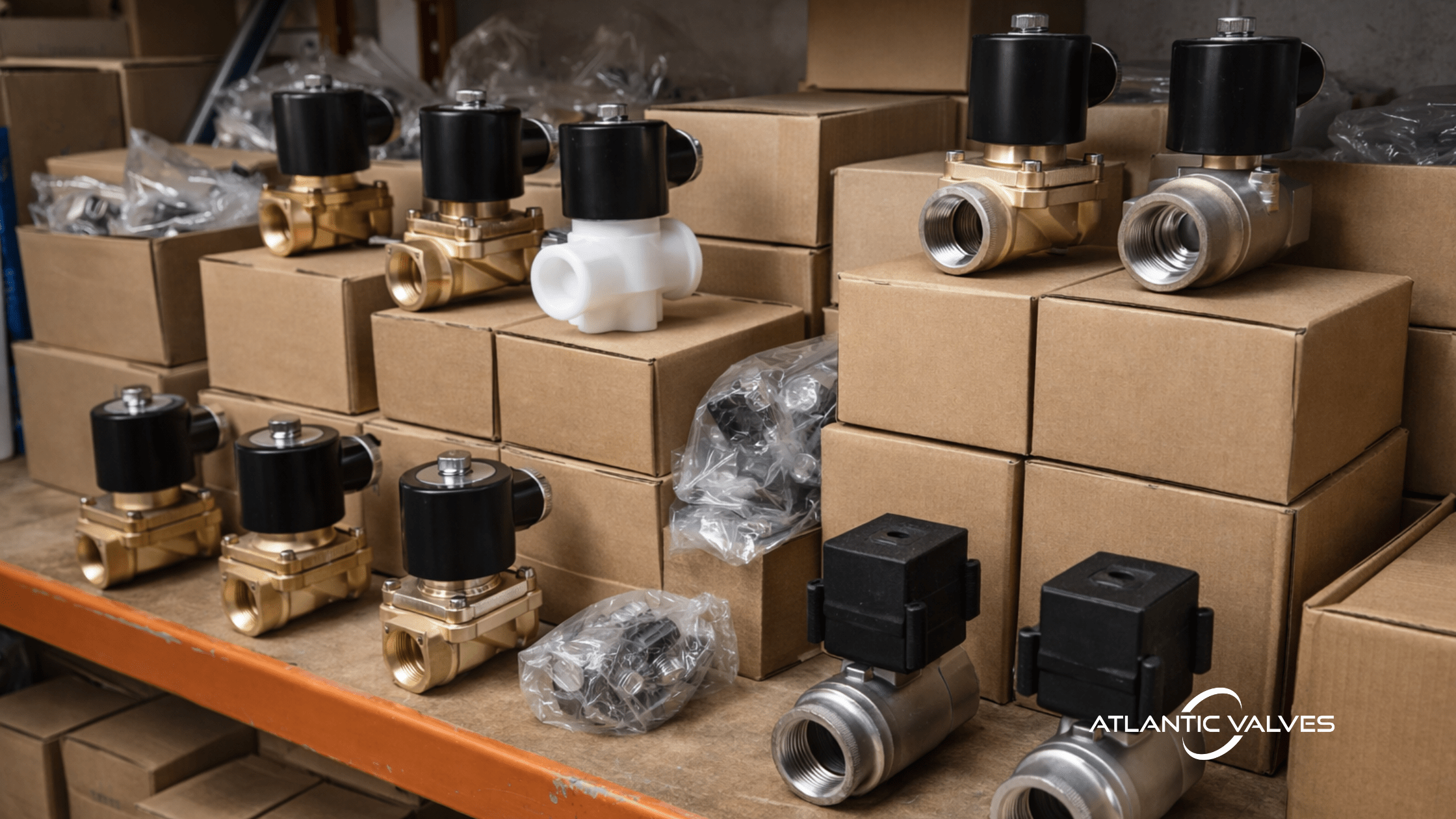
Lead times for frequently ordered valves and replacement parts like stainless steel solenoid valves and stainless steel ball valves stretch from an average of 2-4 weeks to 6-12 weeks for certain SKUs, like 1/2″ 110V AC Stainless Electric Solenoid Valve (SKU: SZW-15-110VAC) and 1″ Stainless Electric Ball Valve – 2 Wire Auto Return (SKU: BVS6CE-XR22). Sometimes, backlogs arise from capacity limits at the manufacturing units, carryover shutdown orders and constrained production slots, especially when dealing with multiple shutdown clients at a time.

Failure to plan your inventory early means you will struggle to acquire fresh suppliers in Q1 from manufacturers to meet customers’ demand for valves and related parts. It may result in your customers deferring or rescheduling essential maintenance interventions, thus reducing the availability and efficiency of facilities.
Logistics Slow Down
The year-end container congestion and staffing shortages can spill over to the early weeks of the new year. Companies have fewer workers on duty over the holiday season, making it difficult to effectively deliver supplies to customers and distributors. Additionally, manufacturers struggle to fulfill several customer orders within a short timeframe. This logistics slowdown means supplies take longer than usual to arrive, forcing distributors to operate with inadequate valve inventory in Q1. Sometimes arrival timelines become unpredictable, especially where staffing shortages persist in January.
Price Resets in Quarter 1
Price adjustment is a common industry practice that happens annually. Manufacturers revise product prices between mid-January and mid-February. These adjustments are necessary to cover changes in freight charges, increased material costs and fluctuating currency exchange rates. Price increases at the start of the year are typically between 5-12%, depending on product category and type of valve materials . In return, distributors are forced to acquire products at slightly higher prices. The increased cost of business is often passed to the end customers, increasing their operational and maintenance costs.
Why Distributors Should Buy Now Ahead of Q1 Price Resets
Purchasing new stock before the Q1 price review and reset window protects your business against profit erosion and unprecedented stock outs. Buying now, before manufacturers reset valve prices, protects your business from:
- Q1 cost increment due to fluctuations in freight rates and the resetting of production overhead costs. If you order your Q1 stock after the Q1 pricing review window, you may end up paying more, even for the same SKUs that you usually sell. Old product prices would have been obsolete by then, and any new purchases will be based on the current pricing model, at 5-12% higher than the previous year.
- OEM price-list updates, which happen towards the end of January to mid-February. Locking in 2025 pricing helps you to:
- Maintain the existing customer contract prices. Sudden changes in product prices affect existing contracts, which may force customers to opt for a different distributor and may lead to renegotiation or potential termination of existing contracts.
- Stabilize Q1 and Q2 quotations, enabling you to serve your customers effectively by providing a predictable pricing schedule for products in your inventory.
- Avoid extreme profit margin erosion.
- Remain competitive against unprepared valve distributors in your area of operation.
As a leading distributor, you should consider placing your largest stock orders from Atlantic Valves before the price resets in Q1, preferably before the end of January. That way, you can provide the right valves to your trusted customers, helping them avoid costly shutdown delays.
Why Buy Now, Ship Later is a Smart Way to Plan Q1 Orders
Buy now, ship later is a smart way to plan Q1 orders, and beyond. To be a top-tier valve distributor, you should understand the value of different logistics programs and their impacts on your business. Some of the logistics programs you should embrace when planning your new year’s valve orders are:
- Reserve stock now – allows distributors to secure production slots for fast-moving valves and related maintenance parts. They can reserve multiple SKUs without committing to immediate warehousing or storage space. This strategy ensures you can access adequate stock whenever required without worrying over storage-related costs, including insurance for stocked items.
- Freeze your pricing – early purchase orders help distributors acquire valves at the prevailing market rates. The prices remain the same, even if orders will be processed after the new year price resets, protecting your business against price surges in 2026.
- Ship when you want – schedule deliveries to your customers anytime throughout 2026 while locking in the old rates. Shipping when you want (when there is an existing demand) lowers your operational and storage costs, and at the same time guarantees protection against potential price changes.
- Build a custom valve allocation program – this is preferable for distributors coordinating with multiple shutdown customers. It ensures you can provide like-for-like product matching, each tailored to meet the operational requirements of each customer. Additionally, it prevents mix-up of products or incorrect shipping when processing orders for multiple customers at the same time.
With the buy now, ship later strategy, a distributor can:
- Maintain predictable cash flows to keep operations afloat.
- Retain adequate stock levels.
- Enjoy protection from price inflation caused by external market forces.
- Run business without experiencing out-of-stock surprises.
How to Build a New Year’s Valve Stock Plan
Here is a proven method that distributors can utilize to build a new year valve stock plan to meet peak shutdown demand and stabilize their future supply to existing and new customers. It is a step-by-step strategy that any valve distributor can utilize to improve operational efficiency and customer satisfaction throughout the year. The strategy involves:
Analyze Past Shutdown Seasons
Gather data from previous shutdown seasons and the average number of valve orders across the year. This includes demand data from Q1 to Q4 of the past years. Review:
- Top fast-moving SKUs for each quarter
- Previously missed sales caused by valve stockouts
- High-failure-rate valves (as reported by customers and per sales records)
- Products in the emergency replacement requests
- Repeat shutdown projects from existing customers.
From historical data, you can identify patterns such as:
- 1-3” ball valves sell out by January of every year.
- Automated valves for chemical lines always require full replacement during every shutdown season.
- Demand for stainless steel solenoid valves surges when food and beverage plants shut down.
Distributor Tip: Utilize historical sales data to develop your new year’s valve stocking plan and estimate the minimum number of orders you should make.
Identify Critical Valve Categories
Your stocking plan for shutdown season should focus heavily on categories that customers typically replace. Understand which categories customers commonly order and segregate them based on their lead times. Prioritize ordering and stocking valves with long lead times.
Distributor Tip: Your estimated Q4 stock quantities should be at least 20-30% more than what you sell in January and February every year.
Forecast Lead Times
Forecast lead times backwards based on the anticipated customer shutdown dates. For example, if your customer runs their shutdown between April 20 and May 05, then as the distributor, you should:
- Have stock in your warehouse by early April.
- Confirm shipping windows (from manufacturer) in March.
- Review the valve BOM and reserve stock in February.
Distributor Tip: Do not place your valve orders in the same month or near the shutdown window. It is because you may encounter delivery delays and bottlenecks, which directly lower the effectiveness and success of shutdowns.
Use a Core and Supplemental Stock Model
Segregate shutdown stock as core stock and supplemental stock.
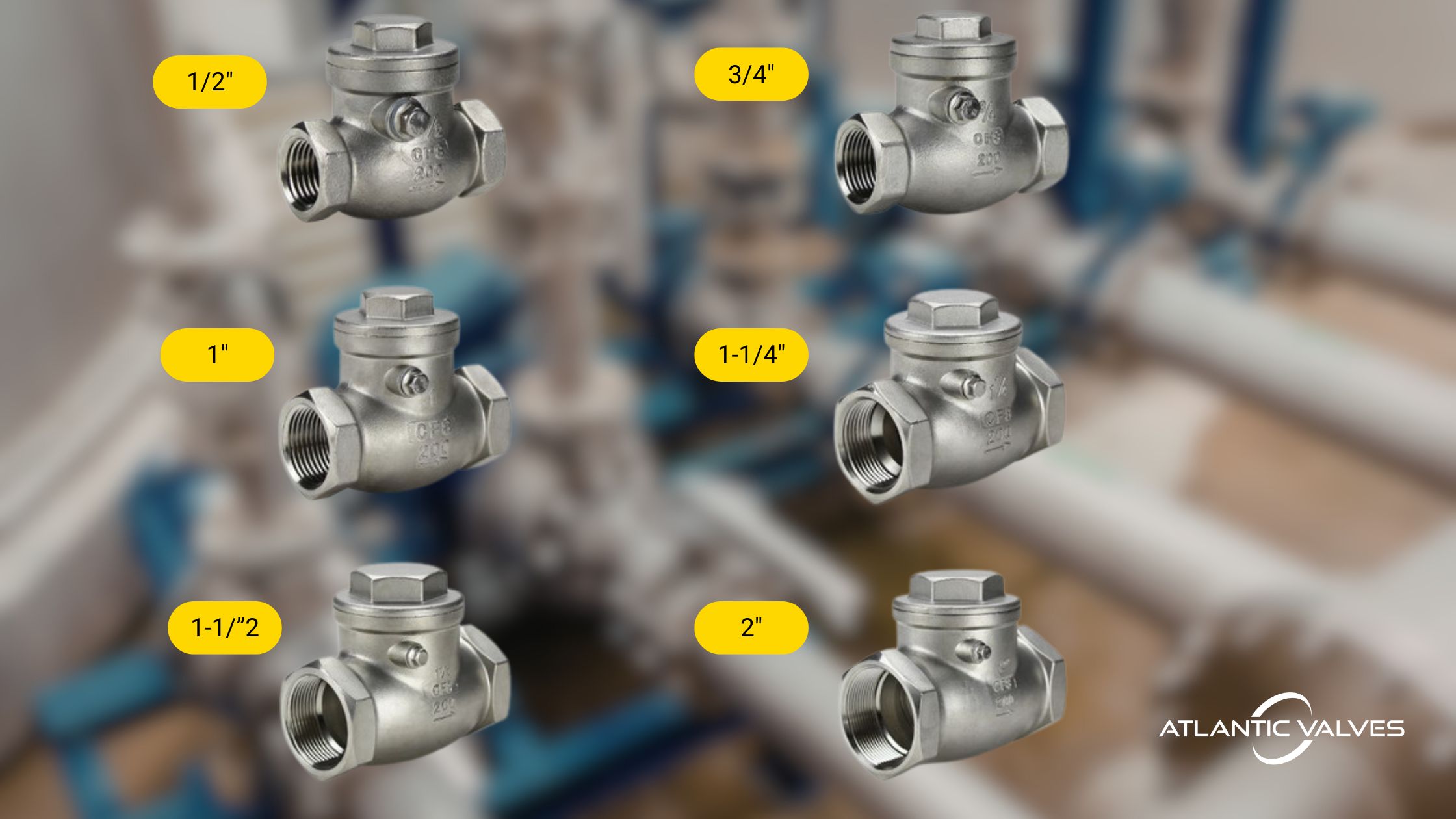
- Core stock represents high-demand valves. These are valves and replacement parts that serve a diverse range of customers. Examples of core stock may include valves like ½”-2” stainless steel ball valves and 24VDC solenoid valves.
- Supplemental stock represents project-based and shutdown-specific valves. These are inventory products for a specific project.
Distributor Tip: Segregating stock along these lines ensures adequate availability of valves, repair and replacement kits and prevents overstocking.
Secure Your Stock Allocations
Create your purchase order in different sections. You can use the following approach to ensure you beat potential price increases, gain full control over delivery periods and guarantee adequate supply for shutdown projects.
- Schedule top, fast-moving valves for immediate shipment
- Schedule Q1 shipment for delivery between January and February for normal stock.
- Reserve production for shutdown-specific valves and parts
Hidden Costs of Poor Inventory Planning
Poor planning for the shutdown season and Q1 in general negatively affects your business as a valve distributor. Several hidden costs will manifest in the future and affect normal operations. The hidden costs include:
- Lost sales– the highest cost to your business is operating with inadequate stock that cannot effectively cover customer orders. Customers may place urgent orders for shutdown valves and parts. Responding that you are out of stock for your long-term customers may cause them to defer future product requests and look for a new vendor. In the end, you lose repeat customers and referrals. That way, you risk losing established business networks.
- Emergency freight costs – distributors may pay additional cash to ensure emergency shipments for shutdown customers arrive in time. Emergency air freight charges are a few hundred to thousands of dollars per shipment, reducing your profit margins.
- Lower profit margins in Q1 – buying stock after price increases (in Q1) eats into your profit margins. New year valve prices increase by 5-12%, meaning you lose a considerable amount of profit from your sales. Weaker profit margins cause your distribution business to struggle to meet operational costs.
- Tainted customer relationships – industrial maintenance teams prefer working with reliable suppliers. These are suppliers offering the right valves at the right time, ensuring customers cannot miss their shutdown window. Not planning for such instances may lead to distributors losing their most trusted customers and damaging relationships that have existed for several years.
Conclusion
Planning properly for your new year’s valve inventory is crucial for building business momentum for the year. A fool-proof valve stock strategy directly affects your Q1 profitability, and competitive distributors must learn how to balance supply amid fluctuating valve demand throughout the year, including a surge in demand during shutdown. Join Atlantic Valves today as a distributor, buy stock now, lock in pricing and reserve your stock. Do this and beat price increases in 2026, while avoiding stockouts, building customer trust and growing your market share.