
Y-strainers are the simplest way to protect valves, pumps, and instruments from debris that causes leaks, sticking, and callbacks. For distributors, adding one to every small valve or sensitive line is a low-friction upsell that cuts RMAs, stabilizes performance, and builds trust. This guide shows when to recommend a Y-strainer, how to choose mesh and materials fast, and how to handle common objections.
Why offer a Y-strainer with almost every flow product
Before we get tactical, here is the core business value you can articulate to any buyer.
- Keeps debris out of precision parts, lowers failure risk on solenoid valves, pumps, and meters.
- Stabilizes flow and pressure, fewer nuisance trips, fewer warranty claims.
- Adds a low-cost, high-trust line item, grows average order value without friction.
- Positions you as a partner in reliability, not a box shipper
What a Y-strainer actually does
 A Y-strainer is an inline body with a stainless screen housed in a 45-degree branch. Fluid enters, passes through the screen, and exits cleaner on the downstream side. The branch pocket traps rust flakes, pipe scale, sand, Teflon fragments, and gasket crumbs so they never reach small orifices, pilot passages, or close-tolerance seals. Cleaning is simple. Isolate, relieve pressure, remove the cap, rinse the screen, reinstall, and return to service.
The business case in two numbers
When margin and customer trust are on the line, these two points make the case quickly.
- Debris-related RMA cost adds up, including shipping both ways, technician time, replacement unit, and goodwill discount. A single callback can exceed the cost of several Y-strainers.
- One avoided truck roll protects margin and credibility. The payback is immediate.
When to make the upsell automatic
Use these cues to recommend a Y-strainer by default, no debate.
- Any new build, retrofit, or start-up after piping work.
- Solenoid valves 1 inch and under, small orifices are most sensitive.
- Fluids with variable cleanliness, city water, well water, condensate, glycol, light oils.
- Systems with fine instruments, flow meters, spray nozzles, and proportional valves.
- At sites with intermittent operation or seasonal use, debris accumulates between cycles.
Quick selection, right first time
Here is the shortest path to a correct recommendation on the first quote.
1) Match size to line size
For most orders, choose the strainer with the same NPT size as the line to minimize added pressure drop and simplify installation. Where pressure headroom is tight or solids loading is high, plan for easier maintenance, unions, isolation valves, and the option to purge.
2) Choose mesh for the job
Atlantic Valves ships Y-strainers with an 80-mesh stainless screen by default. Replacement screens are available in 50, 80, and 150 mesh with the following micron openings.
| Mesh | Micron opening | Primary use case |
| 50 | 297 µm | Coarser filtration for sandy water, irrigation, or when pipes shed scale. Longer run time between cleans. |
| 80 | 177 µm | General purpose default for many water and air lines feeding solenoid valves and ball valves. Balanced protection and maintenance. |
| 150 | 89 µm | Finer protection for tiny pilot passages, proportional valves, and instruments. Plan shorter cleaning intervals. |
Sales guidance
Start customers at 80 mesh if coarse grit is getting through, step to 50 mesh. If sensitive orifices or pilot circuits still weep or stick, step to 150 mesh and set a shorter cleaning cadence. If a spec calls for other sizes, confirm sourcing and lead time before promising.
3) Pick materials that survive the media and site
Choose body, screen, and seals for the fluid, temperature, and environment. Keep it simple, pick the safest compatible option when uncertain.
Body
- Brass for clean water, glycol, and non-aggressive media.
- Stainless steel for higher corrosion resistance, chemicals, and mixed-service lines.
- Carbon steel for steam and hot oils where compatible.
- PVC or CPVC for non-metallic systems within temperature limits.
Screen
- 304 stainless is the standard.
- 316 stainless improves chloride resistance.
- Specialty alloys can be quoted for aggressive media if required.
Seals
- NBR for general water and oil service.
- EPDM for hot water and steam within the strainer rating, not for oils.
- FKM for fuels and many chemicals.
- PTFE for broad chemical and temperature resistance within body limits.
Confirmations to collect on the call
Before you finalize mesh and materials, verify the basics so your recommendation is correct the first time. Fluid, temperature, pressure, line size, connection type, downstream device sensitivity, and maintenance tolerance.
An installation that prevents issues
Successful installs come down to orientation, commissioning, access, and monitoring. Set these expectations early.
Orientation
Get the body position right so debris collects where it should and service is fast.
- Keep the Y pocket down so debris collects in the branch, and cleaning is easy.
- Horizontal runs branch down. Vertical downflow is acceptable if the branch is oriented to collect.
- Install unions or isolation valves on both sides for service.

Commissioning
Plan for the dirtiest day your system will see, the first week after piping work.
- Best practice: flush piping before installing the final screen.
- If flushing is not possible, start with a coarser screen or plan an early clean after initial debris sheds.
Service access and purge options
Make cleaning a minutes-long task, not a shutdown. This is where the upsell saves the most pain.
- Leave clearance to pull the screen in line.
- Where downtime is costly, add a blow-out kit on the strainer cap so maintenance can purge collected debris between full cleanings. This keeps delta-P stable and extends intervals between teardowns.
Differential pressure awareness
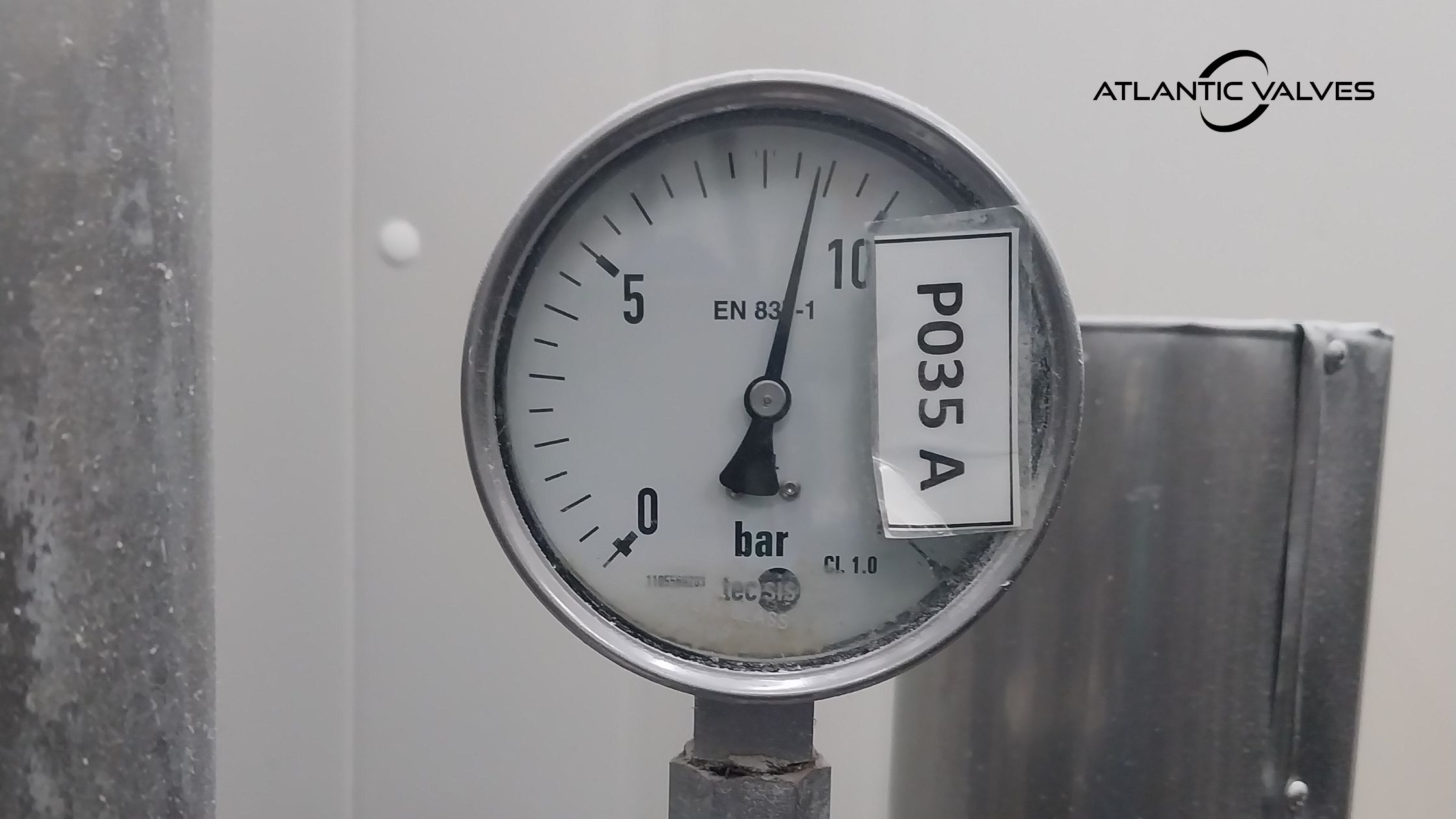
A strainer introduces some pressure drop, which rises as the screen loads with debris. On uptime-critical lines, add two needle ports or a small differential gauge around the strainer. Clean the screen when delta-P meaningfully increases from the clean condition or reaches your set limit.
Maintenance intervals customers can live with
Start tight, then extend as the system settles. Document the interval on the quote.
- Clean after the first week on a new or disturbed system. Start-up debris is the highest.
- Move to monthly, then quarterly, based on what you find in the basket.
- Instrumented lines, clean when observed, delta-P increases to your threshold.
- Finer mesh needs more frequent attention. Coarser mesh runs longer but passes more fines. Balance to the downstream device.
The distributor sales play
Use this section verbatim on quotes and in call scripts
One-sentence value proposition
Add a Y-strainer so debris never reaches the valve, which prevents nuisance failures and callbacks.
Discovery questions
Confirm these details in one pass so sizing and materials are right the first time.
- What are the fluid, temperature, and pressure?
- What is the pipe size and connection type?
- Is this a new install or after recent piping work?
- Are there instruments, small orifices, or proportional valves downstream?
- How sensitive is the process to pressure drop and maintenance stops?
Fast recommendations by scenario
Pick the closest scenario, then fine-tune the mesh and seals to the media.
- General water service, up to 1-inch solenoid valves, brass or stainless body, 80 mesh screen, NBR or EPDM based on temperature.
- Gritty water or irrigation, step to 50 mesh and offer a blow-out kit to purge quickly.
- Small pilot or proportional valve downstream, 150 mesh with a planned shorter cleaning interval.
- Chemical or food contact lines, stainless steel body with 316 screen, seal per compatibility.
- Steam or hot oil lines, carbon steel or stainless body, steam-rated gasket, confirm temperature and pressure class.
Objection handling
Keep responses factual and tie them back to time saved and risk reduced.
- I do not want the pressure drop.
Choose the correct body size, monitor delta-P, and keep screens clean. The small loss across a clean strainer is cheaper than a fouled valve and a service visit. - Maintenance is a hassle.
Unions, isolation valves, and a blow-out kit turn screen cleaning into a minutes-long task. Replacing a damaged valve takes hours and often requires a second visit. - We already filter at the source.
Debris still comes from local piping work, corrosion, and tape fragments. The last protective element before the device is low-cost insurance.
Core Protection Kit
For most water lines feeding small solenoid valves and meters.
- Stainless steel Y-strainer, line size match, 80-mesh installed by default
- Spare replacement mesh, choose 50 or 150 based on media and downstream sensitivity
Quote note: Start at 80 mesh, step to 50 for gritty sources or 150 for tiny orifices.
Purge-Ready Maintenance Kit
Where downtime is costly,y and quick flushing beats a full teardown.
- Stainless steel Y-strainer, ships with 80-mesh
- Blow-out kit for the strainer cap to purge debris between cleans
- Optional spare mesh, 50 or 150, to tune filtration after start-up
Quote note: Purge between cleans to stabilize delta-P, schedule full screen rinses as needed.
Fine Instrumentation Kit
For proportional valves, spray nozzles, and meters with small passages.
- Stainless steel Y-strainer
- Install a 150-mesh screen, include an 80-mesh spare for tuning
Quote note: Expect shorter cleaning intervals with 150 mesh, confirm after week one.
After-Construction Flush Kit
For systems coming online after new piping or repairs.
- Stainless steel Y-strainer
- Install 50-mesh for the first week, swap to 80-mesh after the debris tapers off.
- Optional blow-out kit to purge start-up load without pulling the screen
Quote note: Document the swap date on the work order to avoid over-restricting flow long term.
What problems will you prevent?
Tie outcomes to real failure modes so buyers understand the upside.
- Solenoid valves stuck open or closed from grit on the seat.
- Pilot ports are weeping because a scale flake sits in a tiny orifice.
- Spray nozzles fanning or streaking due to partial blockage.
- Flow meters are losing linearity from debris impacts.
- Pumps cavitating or seals scratching on start-up debris.
Simple spec sheet checklist for buyers
Checklist
- Confirm line size and connection type.
- Confirm body, screen, and gasket materials.
- Select mesh using the 50, 80, and 150 options above.
- Verify temperature and pressure vs the strainer rating.
- Add unions and isolation valves if not present.
- Offer a blow-out kit and a spare screen.
- Document the initial cleaning interval and responsibility.
Position this on quotes and product pages
Turn the upsell into a habit by placing it where buyers decide.
- Show the Y-strainer as a recommended add-on under solenoid valves.
- Use the one-sentence value proposition directly on the quote.
- Add a short “Why this matters” note with the default 80 mesh and links to 50 and 150 mesh options.
- Offer bundle options by line size, with preselected mesh for one-click ordering.
- Include a short maintenance note so buyers know the plan before purchase.
Warranty and RMAs, what to set with customers
Set expectations up front, then enforce them consistently during triage.
- In RMA triage, ask if a strainer was installed and when the screen was last cleaned.
- If not installed, recommend adding one before shipping a replacement.
- Suggest keeping one spare screen per critical line, matched to the selected mesh.
Make the next step obvious, fast, and useful. Browse Y-strainers by size and material or ask our team to spec the right mesh and body for your media.
Warranty and RMAs: What to Set with Customers
Atlantic Valves offers a one-year limited warranty against defects in workmanship and materials under normal use. This warranty is non-transferable and applies only to the original purchaser.
Warranty Coverage
- Covers manufacturing defects only.
- Requires:
- A copy of the original sales receipt
- Return of the product at the customer’s expense for inspection
- A written explanation of the intended application
- If approved, Atlantic Valves will replace, repair, or refund the product at its sole discretion.
Warranty Exclusions
- Damage from misuse, abuse, neglect, or improper installation
- Exposure beyond listed specifications (pressure, temperature, voltage, media compatibility)
- Alteration or modification of the product
- Electromagnetic coils, actuators, and sealing components (considered consumables)
- Consequential damage to other components
Distributor tip: Always confirm whether a Y-strainer was installed and when the screen was last cleaned. Lack of filtration may be classified as misuse.
Return Policy Summary
Atlantic Valves accepts returns within 45 days of ordering for unused and uninstalled equipment only.
- All returns are inspected upon arrival.
- Used items are non-refundable. If the customer wants the item returned, they must cover shipping.
- Refunds are issued only after inspection, minus any shipping costs.
- A 15% restocking fee applies unless a replacement order of equal or greater value is placed before the RMA is issued.
- Once an RMA is issued, the restocking fee cannot be waived.