
A Changing Landscape in Car Cleaning
Gone are the days when washing your car meant dragging out a hose and scrubbing in the driveway. As convenience and efficiency became priorities, hand-wash businesses began popping up to save car owners time and effort. Today, the market has evolved further, with automated and touchless car wash systems becoming the go-to choice. Their speed, reliability, and minimal effort have opened up profitable opportunities for auto service centers, dealerships, mobile units, and repair shops to invest in automatic car wash technology.
Profit Potential: Why Automatic Car Washes Are Big Business
The Automatic Car Wash Market grew from USD 2.57 billion in 2024 to USD 2.82 billion in 2025. It is expected to continue growing at a CAGR of 10.45%, reaching USD 4.66 billion by 2030 according to Research and Markets.
Understanding How Automatic Car Washes Operate
At the heart of an automatic car wash lies a coordinated series of machines, many of which rely on Programmable Logic Controllers (PLCs) to manage complex operations. Key components like valves, nozzles, motors, and dryers work together to deliver a seamless car wash experience in four main stages:
- Entry & Elevation: The vehicle is either pulled onto a conveyor or lifted using hydraulic or pressure systems, setting it in place for cleaning.
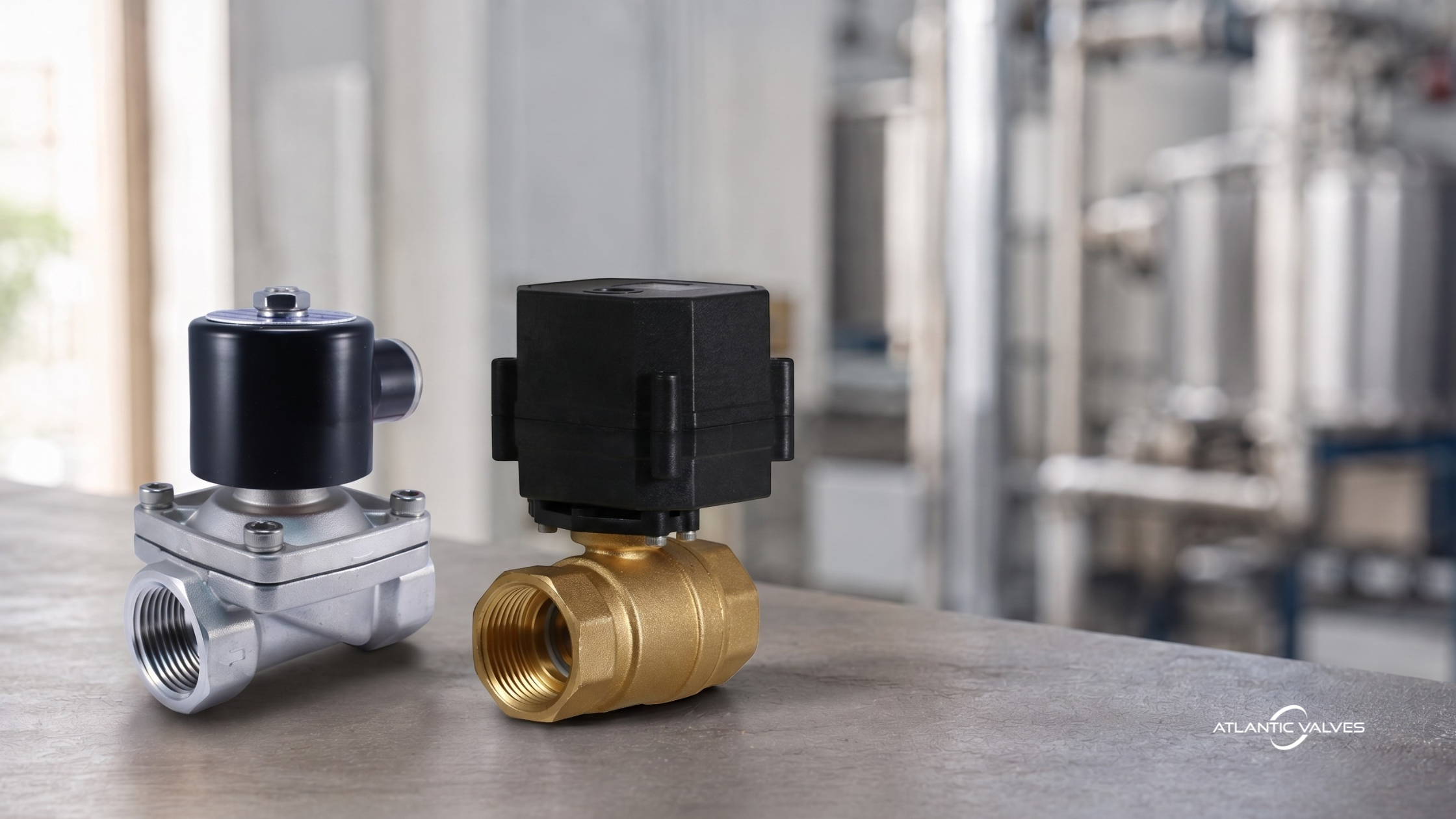
- Detergent Wash: Solenoid valves regulate the release of high-pressure detergent water to break down dirt and debris.
- Brushing & Rinsing: Automated brushes scrub the vehicle as it moves past a system of nozzles and sprayers.
- Drying & Exit: Air dryers eliminate remaining moisture, and the vehicle is ready for pickup.
Key Advantages of Automatic Car Wash Technology
- Lower Labor Costs: Once programmed, these systems require minimal human involvement.
- Water Efficiency: Uses only 100–120 liters (26–32 gallons) of water per car—less than half that of manual washing.
- Gentle on Paint: High-quality materials and smart systems reduce the risk of scratches and wear.
- Faster Service: Most washes are completed in under 6 minutes.
- Consistent Quality: Optimal angles, pressures, and timing deliver uniform, thorough cleaning every time—even in hard-to-reach areas.
Types of Automatic Car Wash Systems
There are three main categories of automated car washes:
1. Roll-Over Systems
- The car stays stationary while the machine moves around it.
- Common at gas stations.
- Offers thorough cleaning but poses a higher risk of contact-related damage.
2. Conveyor Systems
- Vehicles move through a tunnel of synchronized cleaning stations.
- Allows for custom services like undercarriage or tire-specific cleaning.
- Efficient but more mechanically complex.
3. Touchless Systems
- No brushes—just high-pressure water and detergent.
- Reduces the risk of scratches but may be less effective on stubborn grime.
- Ideal for high-end or sensitive finishes.
Choosing the Right System: What to Look For
When evaluating car wash systems, consider these factors:
- Washing Performance: Ensure the machine can clean thoroughly without damaging the vehicle.
- Vehicle Size Compatibility: Systems should adjust to various vehicle sizes.
- Customization Options: Customers should be able to select from basic to deluxe wash options.
- Ease of Use: Operators should find the interface intuitive and adaptable.
- Energy & Water Efficiency: Look for systems that are cost-effective to run and eco-friendly.
- Durability: Machines should be built to last with minimal maintenance.
- Service & Support: Availability of warranties, OEM parts, and after-sale service is critical.
- Maintenance Costs: Touchless systems tend to have lower ongoing maintenance needs than conveyor systems.
- Risk Management: Touchless systems have the lowest chance of damaging vehicles.
- Demographic Match: Choose equipment based on local demand, traffic, and community growth.
Location, Location, Location
Success in the car wash business often hinges on where you set up. Ideal locations share these characteristics:
- High traffic flow: 1,000–3,000+ cars per day
- Accessible layout: Multiple driveways, easy entrance and exit
- Demographic suitability: Low local competition or rapid population growth
- Climate conditions: Seasonal grime or adverse weather can increase demand
- Utility Access: Availability of power, water, and parts simplifies operations
Car Wash Sales & ROI Overview
The car wash industry demonstrates strong revenue potential and ROI metrics, driven by operational efficiency and consumer demand.
Revenue Streams according to an industry report from IBIS World
- Self-service car washes generate $40,000–$100,000 annually
- Full-service operations (interior/exterior cleaning) yield $500,000–$900,000/year.
- Profit Margins
- Average margins range 10–20% when optimized6, with express exterior washes achieving higher multiples due to subscription models9.
- ROI Timelines
- Most automatic car washes recoup investments in 3–7 years, depending on factors like location and operational efficiency.
Final Thoughts: Prevention is the Best Fix
If you’re exploring new ways to grow your business or diversify your service offerings, an automatic car wash system may be the answer. Not only do they reduce operating costs and increase efficiency, but they also provide customers with a fast, consistent, and satisfying car wash experience. With smart selection, the right location, and a high-performing system, your investment can yield long-term success.
Need a New Valve or a Second Opinion?
At Atlantic Valves, we stock a wide range of motorized ball valves to fit every system—from small residential setups to large-scale industrial operations.
✔ Fast, reliable shipping – most orders ship within 1 business day
✔ Expert support – personalized advice to help you choose the right valve
✔ Trusted quality – precision-built components designed for long service life
Contact our team for expert guidance on your next installation or repair.