For distributors, valve accessories play a direct role in installation performance and long-term margin. When a valve fails early, the cause is often not the casting or actuation. More often, it is debris, unstable pressure, electrical exposure, or reverse flow. Because of this, distributors who bundle the right protective components reduce warranty exposure and increase order value.
The five additions below are simple to justify in the field and easy to standardize in the quoting process. Each one addresses a common failure mode that quietly erodes margin. When bundled correctly, they protect installs, reduce returns, and increase average order value without adding complexity.
Why These Valve Accessories Matter to Distributors
Many early failures trace back to system conditions that were never addressed during quoting. Pressure instability, contamination, and electrical inconsistency create stress on the valve long before it appears defective. As a result, returns increase, and the margin erodes.
However, when distributors standardize protective components, outcomes change. Install performance improves. Warranty exposure decreases. Order value increases without aggressive upselling.
That shift turns a transaction into a solution.
1. Y-Strainers Reduce Preventable Seat Damage
Debris is one of the most common contributors to premature valve leakage. Pipe scale, sediment, and installation residue often move downstream during startup. Once trapped at the seat, particles prevent full closure and accelerate wear.
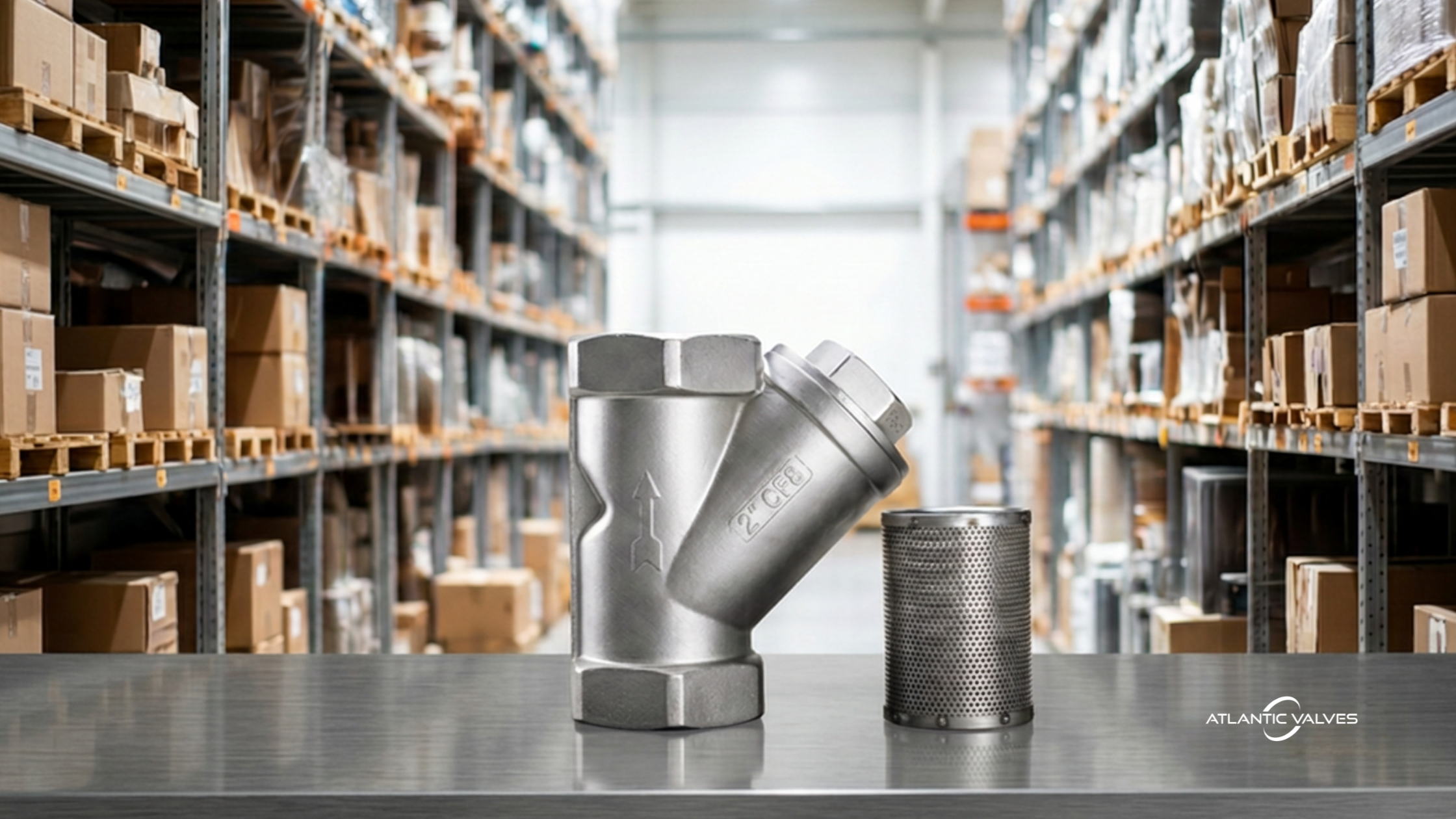
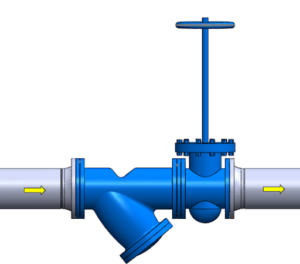
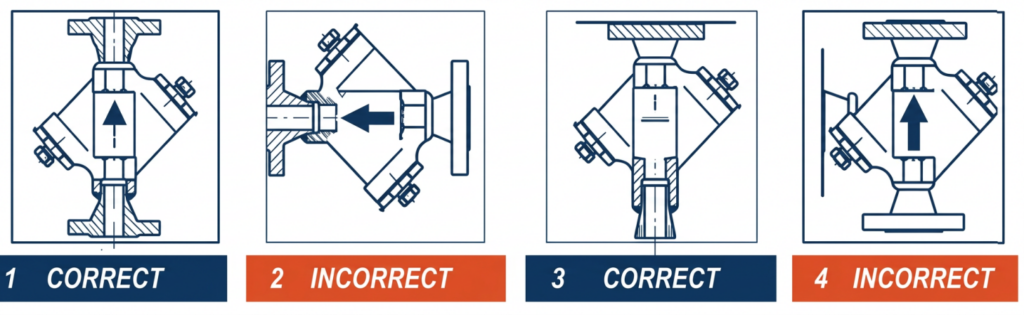
An upstream Y-strainer reduces that exposure before it becomes a warranty conversation. Its effectiveness depends on selecting the appropriate mesh size for the media, installing it in the correct orientation, and cleaning the screen periodically. Atlantic Valves offers replacement mesh screens for Y-strainers to suit different filtration requirements.
For distributors, this is a low-friction upgrade. It is easy to explain. It protects the valve investment. In addition, it reduces nuisance callbacks that consume internal resources.
The technical case is clear. A small filtration component protects a larger control investment.
2. Pressure Regulators Create Stable Operating Conditions
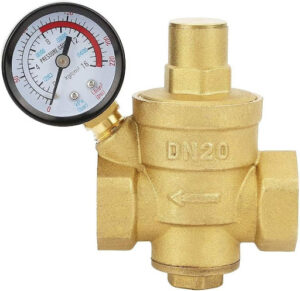
Control valves operate within defined pressure limits. When supply pressure exceeds those limits or fluctuates significantly, stress increases. Diaphragms fatigue. Seals distort. Water hammer introduces shock loads.
A properly selected pressure regulator stabilizes inlet conditions. As a result, downstream components operate more predictably.
In municipal and commercial environments, incoming pressure often varies more than expected. Agricultural and booster-fed systems experience similar swings. For that reason, pressure regulation becomes one of the most defensible additions available.
It protects performance and supports a higher average order value at the same time.
3. Manual Override Options Provide Operational Flexibility
Electrical systems are reliable, but interruptions still occur. Power outages, service work, or panel maintenance can temporarily disable automatic control.
Manual override capability provides a temporary solution. Operators can test flow paths. Maintenance teams can conduct inspections without energizing coils. Limited control remains available during outages.
In facilities where downtime carries a measurable cost, this feature becomes more than a convenience. It becomes risk mitigation. As a result, perceived system reliability improves. That perception matters when competing for repeat business.
4. Correct Coil Voltage and DIN Connectors Improve Electrical Reliability
Electrical failures are often misdiagnosed as valve defects. In reality, many issues stem from incorrect voltage selection or poor environmental sealing.
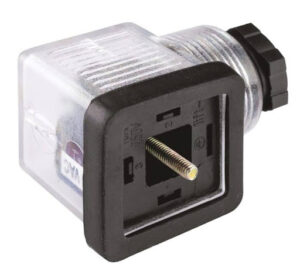
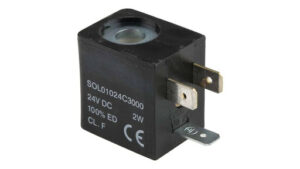
Matching the correct coil voltage to available power prevents premature burnout. Including DIN connectors improves moisture protection and simplifies replacement. Consequently, installation consistency improves.
Outdoor and washdown environments especially benefit from this added protection. Even so, the impact of quoting remains minimal. For distributors, this is a practical way to reduce avoidable service issues while strengthening solution credibility.
5. Check Valves Prevent Reverse Flow and System Instability
Reverse flow introduces instability and mechanical stress. Pumps may spin backward. Pressure fluctuates unexpectedly. Contamination risk increases.
Reverse flow can also create contamination risks in potable systems. Regulatory agencies such as the U.S. Environmental Protection Agency explain the importance of cross-connection control and backflow prevention in protecting system integrity.
A properly specified check valve prevents reverse movement. Therefore, upstream equipment remains protected, and the system stabilizes more quickly.
In pump-driven and recirculation applications, this is foundational protection rather than an optional enhancement.
Distributors who include backflow protection position themselves as thorough solution providers, not commodity suppliers.
The Business Impact of Standardizing Protective Components
Attach rate reflects how complete the system was at the time of sale. When protective accessories are consistently included, early failure rates decline. In addition, customer retention improves.
This is not about adding unnecessary parts. It is about asking structured questions during quoting. Is debris present in the line? Is supply pressure stable? Is reverse flow possible? What happens if the power drops?
Each question leads naturally to a defensible solution component.
Over time, this approach strengthens account loyalty and protects the margin inside every order.
Protect Installs. Strengthen Margin. Grow Strategically.
Valve failures rarely occur in isolation. Instead, they develop from environmental conditions that were never addressed during specification.
By integrating filtration, pressure control, electrical protection, manual override capability, and backflow prevention into your quoting process, you protect installs and grow order value responsibly.
Atlantic Valves supports distributor partners with stocked inventory, responsive application guidance, and fulfillment reliability designed for real-world performance.
Become an Atlantic Valves Distributor
If you are ready to expand your value category while protecting install performance and increasing average order value, we are prepared to support your growth.
Not sure if you qualify? Submit your application, and our team will review territory availability as soon as possible.