Cast steel valves are widely used in medium and high-pressure fluid systems due to their strength, durability, and reliability. Among the various cast valve materials available, two grades dominate the industrial valve applications:
- CF8 stainless steel (ASTM A351)
- WCB carbon steel (ASTM A216)
Understanding the differences between CF8 and WCB valve products is an essential skill for distributors. Both of these materials are strong; however, they exhibit varying corrosion resistance, mechanical strength, media compatibility, pressure and temperature endurance, and cost. Selecting the wrong material can lead to premature failure, safety risks, and warranty claims.
This guide explains the metallurgical differences, performance trade-offs, and best fit applications for CF8 and WCB valves, enabling distributors to make confident, technically sound recommendations.
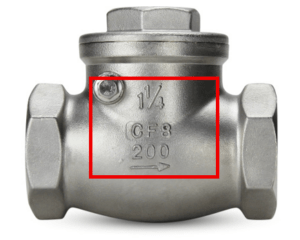
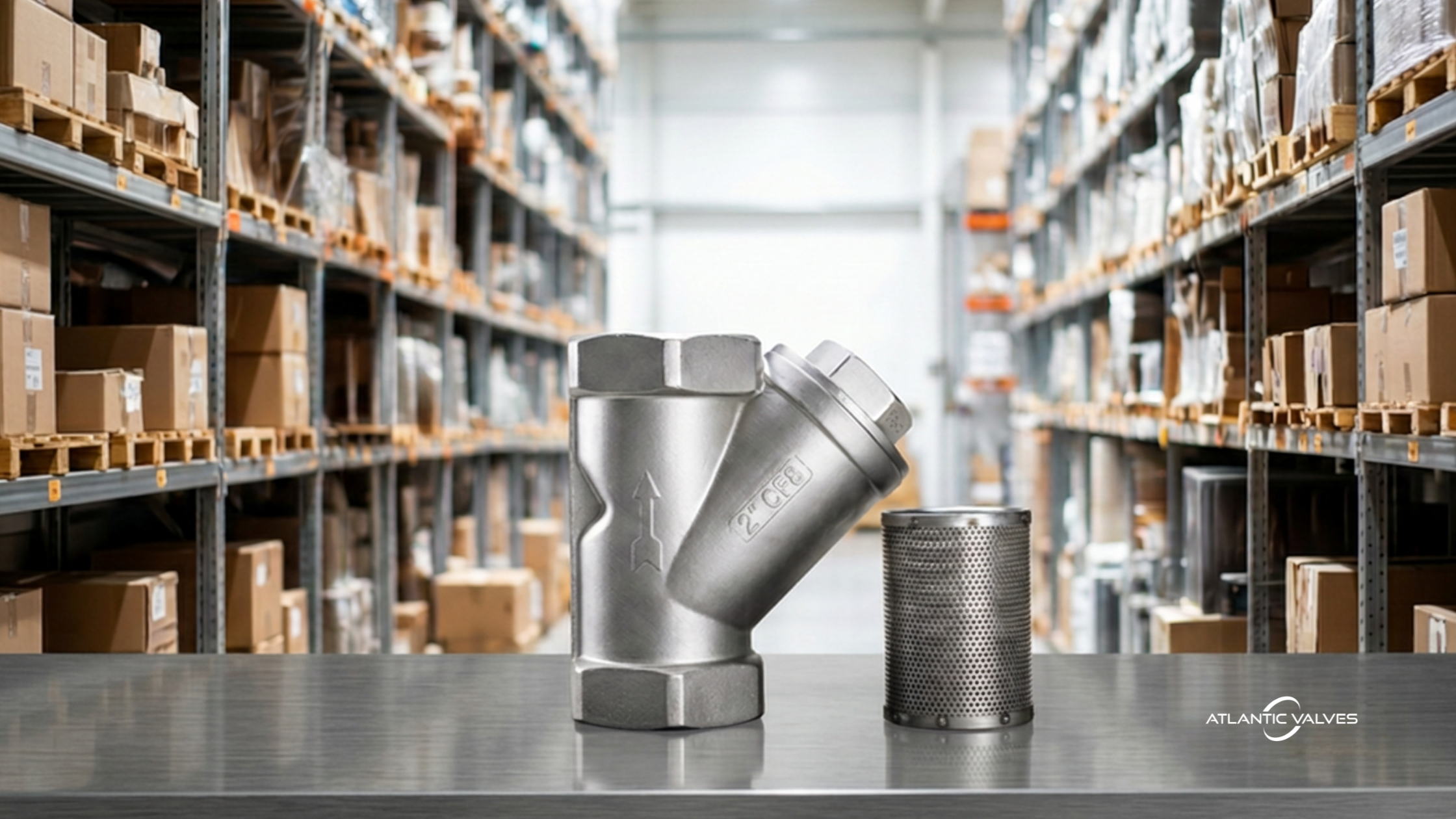
CF8, 1 ¼” Stainless Steel Swing Check Valve (SKU: CV-S032-S)
Why Material Selection Matters for Distributors
Understanding the differences between CF8 and WCB enables distributors to:
- Recommend appropriate valves that match media and operating conditions.
- Reduce misapplications, failures, and warranty claims.
- Maintain optimized inventory that meets customer needs.
- Improve distributor credibility while providing technical support to engineers and contractors.
Key Differences Between CF8 and WCB Steel
Below is a summary of the differences between CF8 and WCB. Valve distributors can use it as a reference when discussing valve material options with their customers.
|
Property |
CF8 |
WCB |
|
Corrosion resistance |
Excellent (preferable for corrosive media) |
Low (suitable for non-corrosive fluids) |
|
Mechanical strength |
Good mechanical strength |
Higher mechanical strength, especially at elevated temperatures |
|
Temperature resistance |
Wide temperature capability |
Excellent at high temperatures, limited low-temperature toughness |
|
Cost |
Higher than WCB |
Economical |
|
Application |
Chemicals, chlorides, acids |
Steam, hydrocarbon, and industrial air service |
How Material Choice Affects Valve Performance
Valve strength and pressure handling
WCB carbon steel exhibits higher yield strength and rigidity, making it well-suited for high-pressure and high-temperature service. This is one reason WCB is most commonly used in larger valve sizes and high-pressure classes. CF8 stainless steel also provides good mechanical streght, though it is less rigid than WCB.
Corrosion Resistance
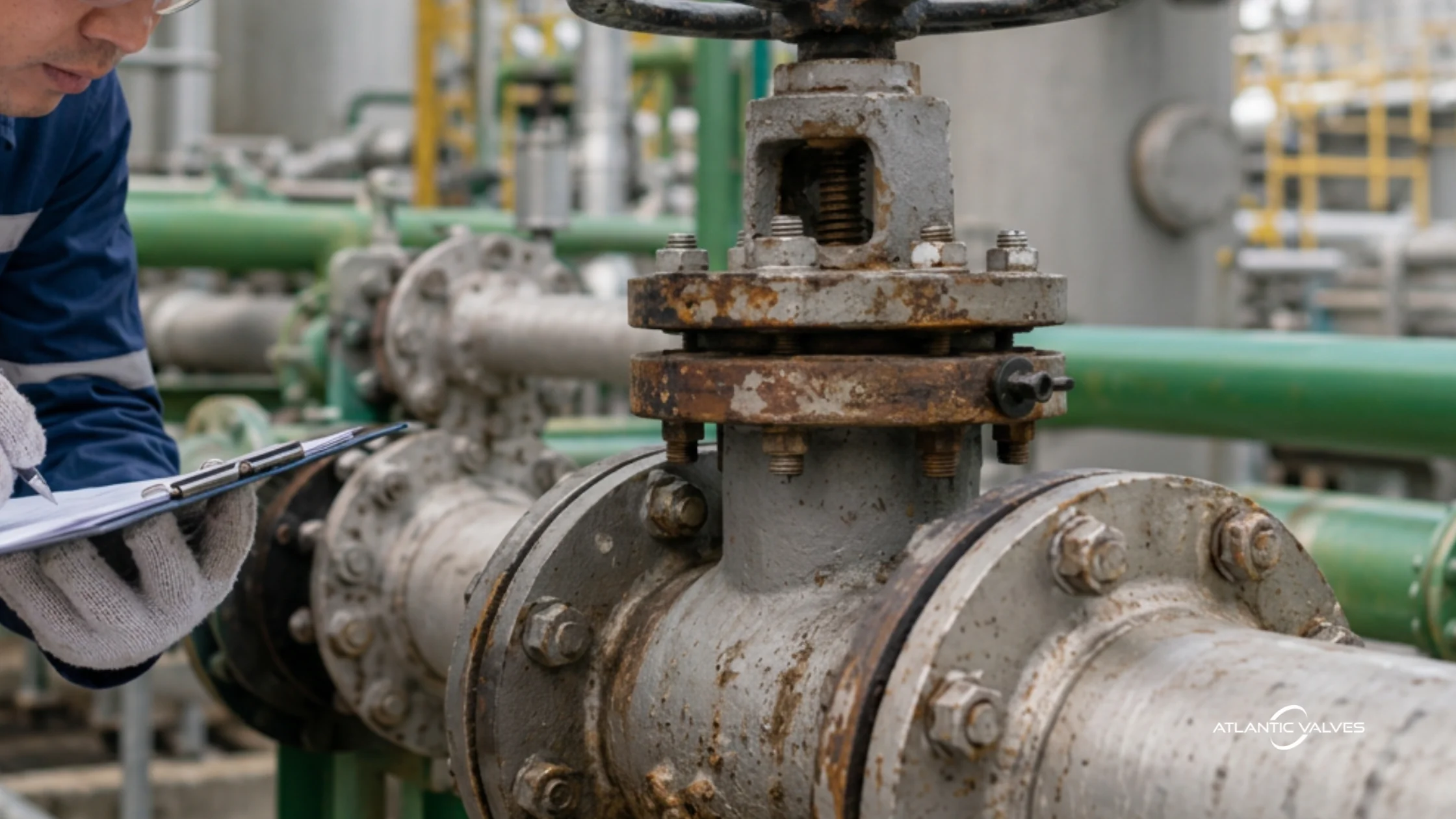
CF8 stainless steel offers excellent resistance to oxidation, rusting, and chemical attack due to its chromium-rich passive oxide layer. It performs well in aggressive environments, including mildly acidic, alkaline, and chlorine-containing media. WCB carbon steel, by contrast, is suitable to corrosion unless protected by coatings and should only be used with clean, non-corrosive fluids.
Temperature endurance
CF8 maintains toughness across a wide temperature range and performs reliably in fluctuating thermal conditions. It retains good low-temperature toughness and is commonly selected where temperature variation is expected. WCB performs exceptionally well at an elevated temperature limit of around -29°C (-20°F).
Lifespan
CF8 lasts longer, even in aggressive fluid service. WCB, on the other hand, is less durable in corrosive applications. They last longer in hydrocarbon service and high-pressure environments, handling clean, non-corrosive fluids.
How to identify steel used in cast valves
There are several methods for distributors to verify the type of steel used in cast valves. These are:
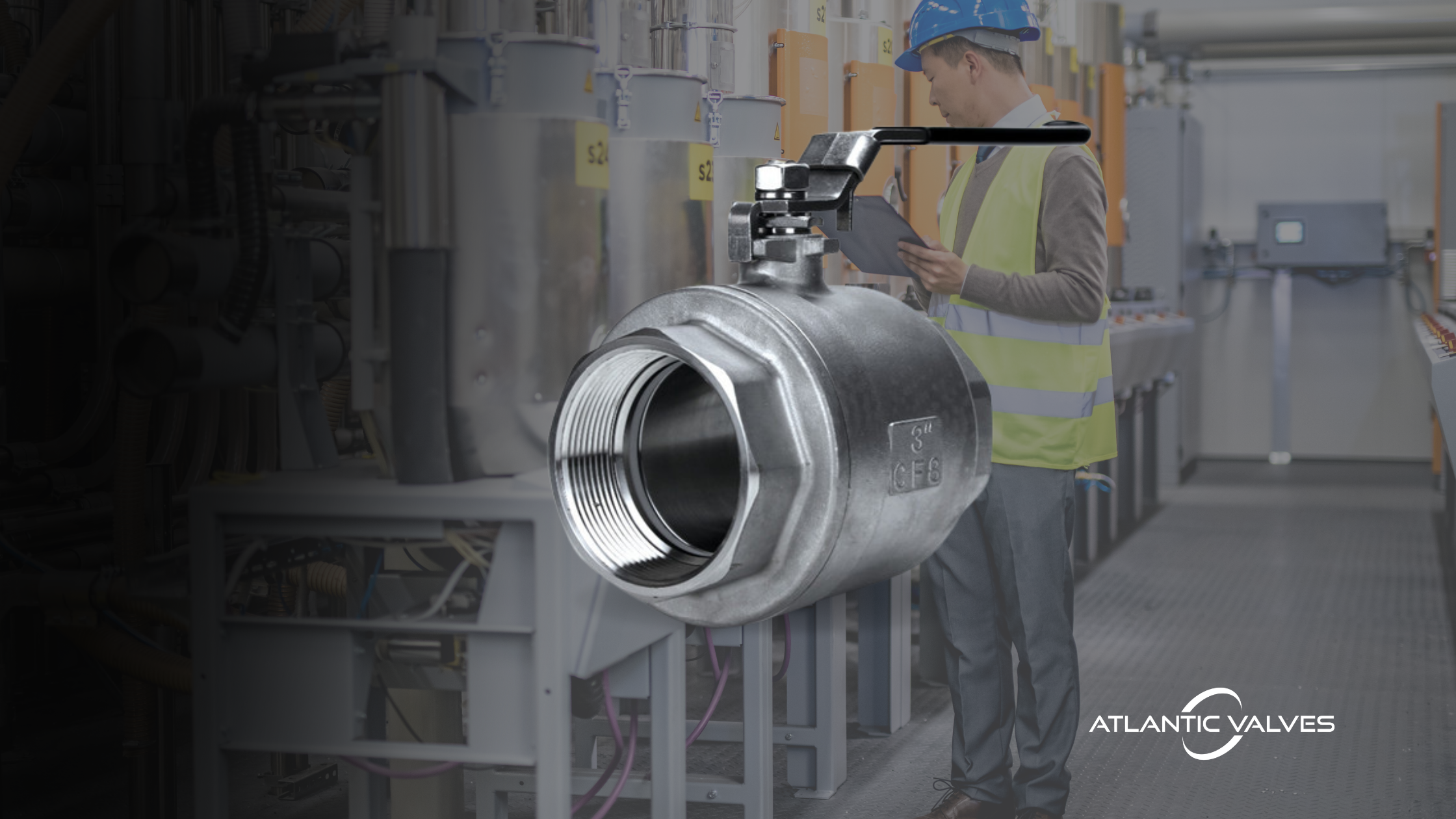
- Body markings: cast valves contain markings on their bodies. These are visible markings, such as “CF8” or “CF8M” for cast stainless steel valves and “WCB” for cast carbon steel.
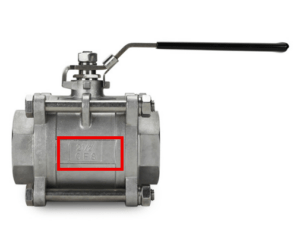
CF8 marking on a ¼”, 3-piece stainless steel manual ball valve (SKU: BV-3PC-10-S)
- Visual inspection: CF8 and WCB have varying physical appearances. CF8 (stainless steel) is smooth and shiny. WCB, on the other hand, is darker and heavier in appearance.
- Magnetic test: valve distributors can conduct magnetic tests on valves to verify the type of valve materials when dealing with steel valves. CF8 valves are generally non-magnetic. WCB is magnetic and is easily and is easily attracted to magnets.
Chemical and Metallurgical Properties of CF8
CF8 is basically stainless steel. It is an alloy that contains:
- Chromium (18-21%)
- Nickel (8-11%)
- Carbon (<0.08%)
- Other elements like silicon, manganese and sulfur in limited proportions
Advantage of CF8 Valves
CF8 is austenitic and has excellent weldability, is ductile, and has a protective chromium oxide layer that resists oxidation at elevated process temperatures. It is generally non-magnetic.
CF8M – Enhanced Corrosion Resistance
Below are examples of industrial process that uses CF8/ CF8M valves.
- Chemical processing plants where acids, alkalis, and chlorides are heavily present.
- High-chloride environments, including marine applications, water treatment plants and desalination projects.
- High-humidity applications where elevated moisture levels increase the risk of corrosion.
- Food and beverage facilities are due to their cleanliness.
- Pharmaceutical production plants.
Chemical and Metallurgical Properties of WCB
Weldable Cast B-grade steel (WCB) contains:
- Carbon (0.25-0.30%). The controlled carbon content enhances the structural toughness of WCB.
- Manganese (up to 0.6%)
- Silicon, sulfur, and phosphorus in limited proportions (trace elements)
WCB is ferritic and has excellent tensile strength, good machinability, and high resistance to mechanical stress and elevated system pressure.
Advantage of WCB Valves
WCB has a few advantages over CF8. It has better strength at elevated temperatures, is less costly than CF8, making it ideal for manufacturing large process valves. WCB valves are generally reliable in high-pressure systems.
Typical Applications for WCB Valves
WCB valves are preferable for the following industrial applications:
- Hydrocarbon processing plants, including oil and gas refineries and petrochemical industries. WCB is predominantly used for crude, diesel, and fuel oil pipelines.
- Industrial air and gas systems where corrosion is minimal. WCB valves offer durable and economical performance is such applications.
- High-pressure applications. WCB valves are used in processes from Pressure Class 300 to Class 2500.
Common Misapplication Warning
WCB valves are often incorrectly selected for mildly corrosive or chloride-containing service due to lower cost. Even small amounts of chlorides or moisture can cause internal corrosion, leading to leakage, seizure, or premature failure.
When the corrosion risk is uncertain, stainless steel (CF8/CF8M) should be recommended.
Choosing between CF8 and WCB valves
Below is a quick valve selection matrix that valve distributors working with Atlantic Valves can utilize to recommend the right valve materials to their customers. This is a simplified selection template based on the type of fluid media and the conditions of the fluid application.
| Condition/Media Type | Recommended valve material |
| Corrosive fluids, alkalis, and acids | CF8/CF8M |
| Food-grade applications | CF8/CF8M |
| Sanitary processes | CF8/CF8M |
| Seawater systems | CF8M |
| Brine | CF8 |
| Pharmaceutical plants | CF8 |
| Hydrocarbons | WCB |
| Fuel oil | WCB |
| Crude oil | WCB |
| Non-corrosive industrial air | WCB |
| Cryogenic applications | CF8/CF8M |
| High-humidity applications | CF8 |
| High temperature steam | WCB |
| Chloride-heavy processes | CF8/CF8M |
Distributor Best-Practice Recommendations
Apart from this quick valve selection template, distributors should follow the following tips when making product recommendations:
- Always ask about the conditions of the fluid application. Understand the physical and chemical behavior of the fluid media, temperature and pressure limits of the system and the conditions of the immediate environment (is it humid? Are valves exposed to corrosive elements or dust?)
- If the customer intends to use the valve in an industrial environment, always verify whether there are any chlorides. Recommend CF8 valves for applications with traces of chlorides, even in small proportions; otherwise, the selected valves will undergo rapid corrosion, increasing safety and operational risks.
- Recommend stainless steel (CF8) valves for food and beverage applications. These are hygienic processes that demand safety in every part of the process.
- Where a customer is looking for budget-friendly valves, you can recommend WCB valves. However, you must ensure the process does not contain corrosive agents.
- CF8 valves have broad compatibility and can be recommended for applications where the customer is unsure about the operating environment and system specifications are unverifiable.
Final Words
Mastering the differences between CF8/CF8M and WCB cast valves is a valuable skill for every valve distributor. Knowing how each material behaves in different operating conditions, identifying the type of valve material, and matching it to the right application helps distributors earn and build customer trust. It reduces incorrect orders and enables distributors to optimize stocks for high turnover based on customer needs. Join Atlantic Valves today as a distributor and gain access to a wide range of cast valves suitable for different industries.