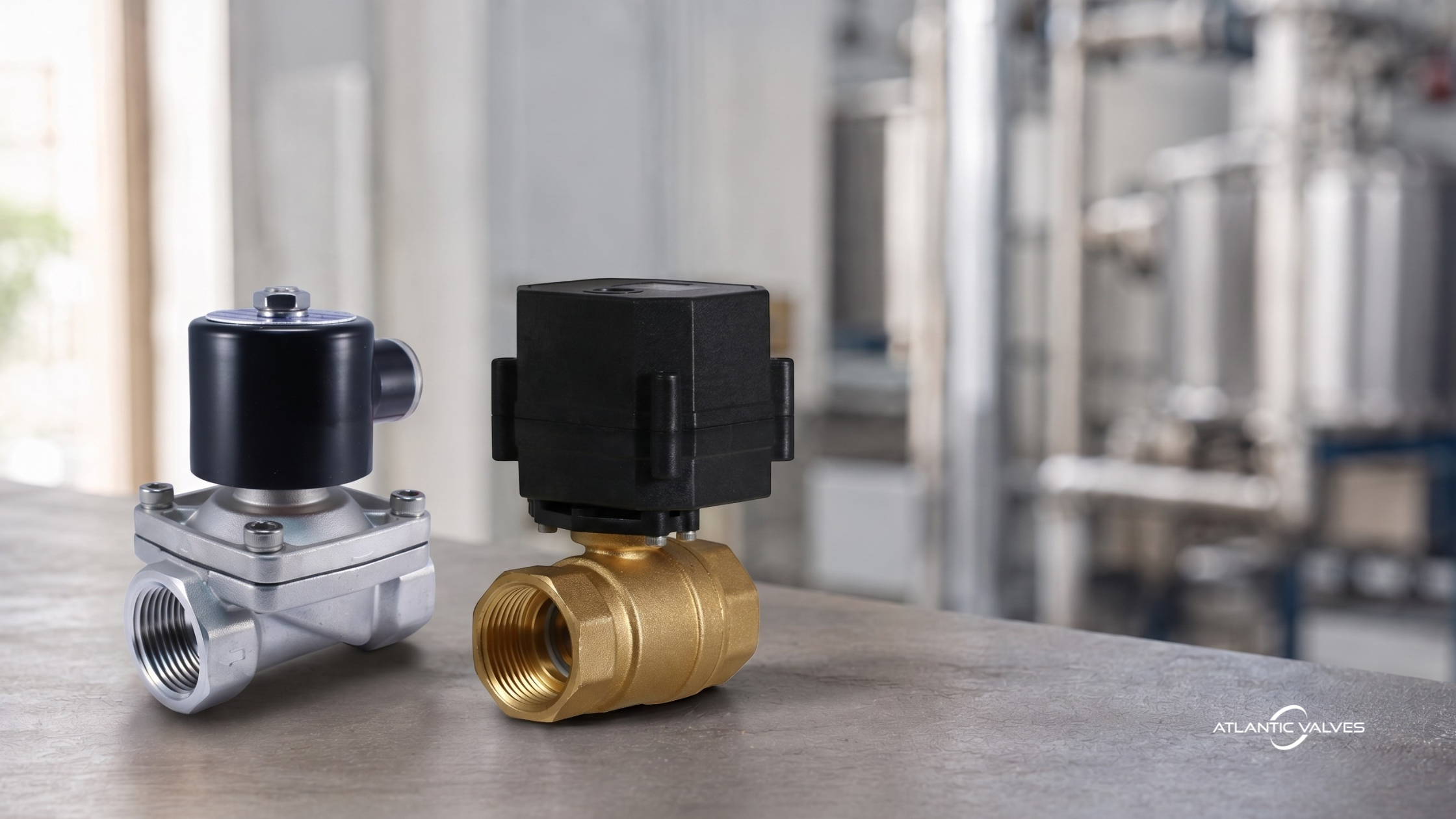
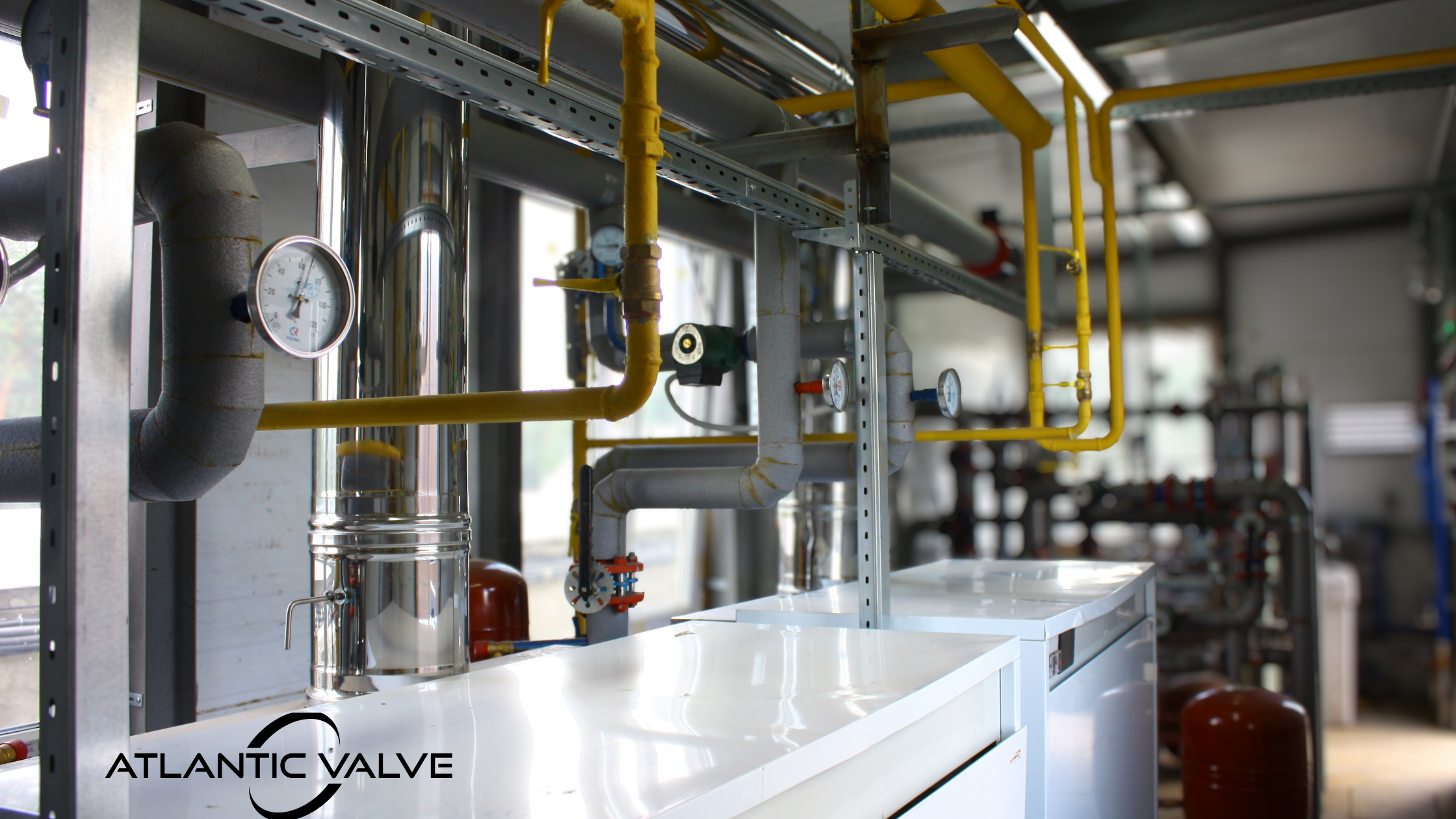
Motorized ball valves used in industrial systems are often exposed to demanding installation conditions. In wastewater plants, batching systems, chemical skids, HVAC equipment, and outdoor utility lines, the actuator may be exposed to humidity, washdowns, dust, corrosive chemicals, and changing weather conditions.
That makes enclosure protection an important part of actuator selection. Therefore, if the actuator housing is not suited to the environment, the result can be water ingress, corrosion, contamination, electrical failure, and avoidable downtime.
This is where NEMA ratings for motorized ball valves matter. Additionally, they help define how well the actuator enclosure can handle the surrounding environment and whether it is appropriate for indoor, outdoor, washdown, or corrosive service.
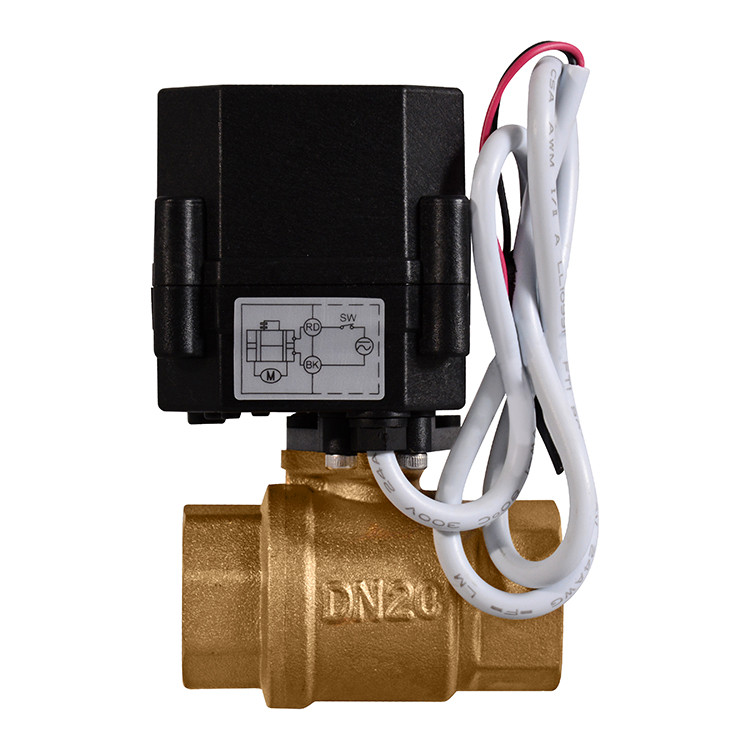
For industrial buyers, distributors, and specifiers, the practical question is not just what NEMA means. It is which enclosure rating makes sense for the application. Ultimately, this guide explains the most relevant NEMA ratings for motorized ball valve actuators, detailing when NEMA 4 is sufficient, why NEMA 4X is often the superior choice, and which installation factors must drive your enclosure selection.
What Do NEMA Ratings Mean?
NEMA stands for the National Electrical Manufacturers Association. They define enclosure standards that indicate how well a piece of equipment can handle its environment.
NEMA ratings indicate the protection level of an enclosure against environmental hazards such as dust, rain, chemical exposure, corrosion, and ice formation.
For a motorized ball valve, the NEMA rating applies to the actuator housing, which contains:
- Electric motor
- Limit switches
- Position indicators
- Wiring terminals
- Control electronics
Why NEMA Ratings Matter for Motorized Ball Valve Actuators
Motorized ball valves are commonly installed in environments such as:
- Wastewater treatment facilities
- Outdoor pipelines
- Chemical processing systems
- HVAC equipment
- Marine environments
- Washdown systems
In these installations, proper enclosure protection is necessary to maintain actuator reliability. An incorrect enclosure rating can lead to several common problems:
- Water ingress
Water or moisture entering the actuator can cause electrical shorts, corrosion, and motor failure. - Dust contamination
Dust can interfere with switches or cause overheating of electrical components. - Corrosion damage
Chemical or salt exposure can degrade standard metal housings. - Operational failure
Internal degradation can eventually result in actuator failure.
NEMA Enclosure Ratings
NEMA ratings are identified by a number and may also include a letter in some cases. The rating scale starts from NEMA 1 and goes through NEMA 13. However, these ratings do not follow a simple linear progression where higher numbers always indicate broader or better protection. Each rating is defined for specific environmental conditions and should be evaluated individually based on the application.
In particular, certain ratings such as NEMA 7, 8, 9, and 10 are intended for hazardous classified locations, including explosive atmospheres, mining, and other specialized industrial environments. These are not part of the general-purpose enclosure progression and should not be compared directly with other NEMA types. Because of that, NEMA 13 should not be interpreted as the highest general-purpose rating, but as one intended for a different set of conditions.
Common NEMA Ratings Relevant to Motorized Ball Valve Applications
| NEMA Rating | Indoor / Outdoor | Detailed Protection Level |
|---|---|---|
| NEMA 1 | Indoor | Protects against incidental contact with live parts and limited falling dirt, no protection against water or dust ingress |
| NEMA 2 | Indoor | Same as NEMA 1, plus protection against light dripping water and condensation, non-pressurized |
| NEMA 3 | Outdoor | Protects against windblown dust, rain, sleet, prevents entry of external ice, not submersible |
| NEMA 3R | Outdoor | Protects against falling rain and sleet, allows ventilation, limited dust protection |
| NEMA 3S | Outdoor | Same as NEMA 3, plus external mechanisms remain operable when ice-laden |
| NEMA 4 | Indoor / Outdoor | Protects against windblown dust, rain, splashing water, and hose-directed water, prevents water ingress under pressure |
| NEMA 4X | Indoor / Outdoor | Same as NEMA 4, plus corrosion resistance, resistant to salt spray and chemicals |
A complete NEMA ratings list and description is available from NEMA. Although the system ranges from NEMA 1 through NEMA 13, most industrial motorized ball valves are most commonly rated NEMA 4 or NEMA 4X.
NEMA 4 vs NEMA 4X
For most industrial buyers, this is the most important enclosure comparison.
Both NEMA 4 and NEMA 4X provide protection against dust and water. The main difference is corrosion resistance.
| Feature | NEMA 4 | NEMA 4X |
|---|---|---|
| Dust Protection | Yes | Yes |
| Rain Protection | Yes | Yes |
| Hose-Directed Water | Yes | Yes |
| Outdoor Installation | Yes | Yes |
| Corrosion Resistance | Limited | High |
A NEMA 4 enclosure is suitable for many general industrial applications. A NEMA 4X enclosure is a better fit where the actuator may be exposed to:
- Salt spray
- Chemical vapor
- Acidic or alkaline environments
- Cleaning chemicals
- Food-grade washdowns
Example
A motorized ball valve installed in an indoor drinking water facility may only require NEMA 4.
However, if the valve is installed in a chemical dosing system, NEMA 4X would be required due to possible exposure to chemicals.
In practice, many engineers choose NEMA 4X by default for outdoor process environments, since the cost difference is relatively small compared to potential maintenance costs.
Typical Enclosure Materials for Motorized Valve Actuators
The enclosure rating of a motorized valve actuator is closely related to the material used for the housing. Different materials provide different levels of protection.
Cast aluminum is one of the most common enclosure materials used. It is lightweight, has good structural strength, and offers moderate corrosion resistance.
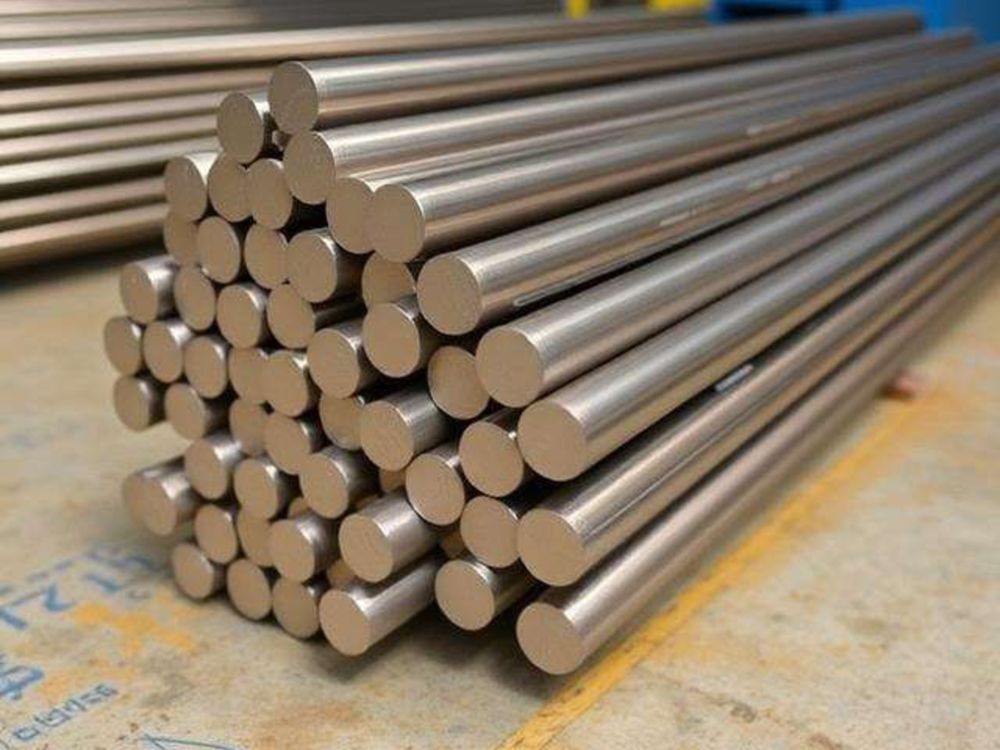
Often used for: NEMA 4 rated actuators
Stainless Steel
Stainless steel housings resist corrosion and perform reliably in:
- Chemical processing
- Food production
- Pharmaceutical plants
- Marine environments
Often used for: NEMA 4X enclosure ratings
Engineered Polymer
Some modern motorized actuators use high-strength polymers or composite materials.

Advantages include:
- High corrosion resistance
- Lightweight construction
- Excellent chemical resistance
Often used for: NEMA 4X rated actuators in aggressive environments
Installation Factors That Affect Enclosure Selection
Selecting a motorized ball valve with the right NEMA rating requires understanding the installation conditions. In addition, engineers should analyze the following factors when selecting an actuator enclosure to meet site requirements.
Outdoor Exposure
The installation environment should account for:
- Indoor or outdoor location
- Rain cycles
- Temperature changes
- Condensation
Washdown Area
Typically, food processing and hygienic environments rely on high-pressure water cleaning to ensure compliance with safety regulations. high-pressure water cleaning to ensure compliance with safety regulations.
These washdown conditions require:
- Waterproof seals
- Corrosion-resistant housings
Chemical Exposure
Chemical vapors can quickly degrade standard metal enclosures.
Examples include:
- Chlorine dosing systems
- Acid neutralization systems
- Chemical injection skids
Dust and Particulate Environments
Facilities such as cement plants or grain processing units generate airborne particulates.
Choosing an enclosure with sufficient protection and sealing integrity is essential to prevent particulate ingress, which can lead to overheating, contamination, and premature equipment failure.
NEMA Ratings vs IP Ratings
Many international specifications reference IP ratings instead of NEMA ratings.
While both systems describe enclosure protection, they are not identical.
Approximate equivalence
- NEMA 1 → IP10
- NEMA 4 → IP66
- NEMA 4X → IP66 with corrosion resistance
These equivalences are approximate. NEMA standards often include additional performance requirements beyond ingress protection, such as corrosion resistance, gasket performance, and construction criteria. While NEMA enclosures may meet or exceed their IP counterparts, the reverse is not necessarily true. You cannot use an IP rating alone to satisfy a NEMA requirement.
The key difference is that NEMA enclosure standards include environmental factors beyond ingress, such as corrosion and icing; therefore, they provide a more comprehensive measure of enclosure performance.
For industrial valve applications, NEMA often provides a more complete picture of enclosure suitability.
Relevant Standards Engineers Actually Reference
In addition to NEMA, it is important to realize that other standards may appear when you are writing specifications or performing technical evaluations.
- NEMA 250 – Enclosures for Electrical Equipment (1000 Volts Maximum)
This is the core document defining enclosure types. - IEC 60529 – Degrees of Protection Provided by Enclosures (IP Code)
Widely used internationally for ingress protection. - UL 50 / UL 50E – Enclosures for Electrical Equipment
Covers safety and environmental construction requirements, often referenced in North America.
Engineers and specifiers frequently use these standards together.
Best Practices When Specifying Motorized Valve Enclosure Ratings
When selecting a motorized valve actuator, you should first prioritize several practical guidelines to ensure optimal performance.
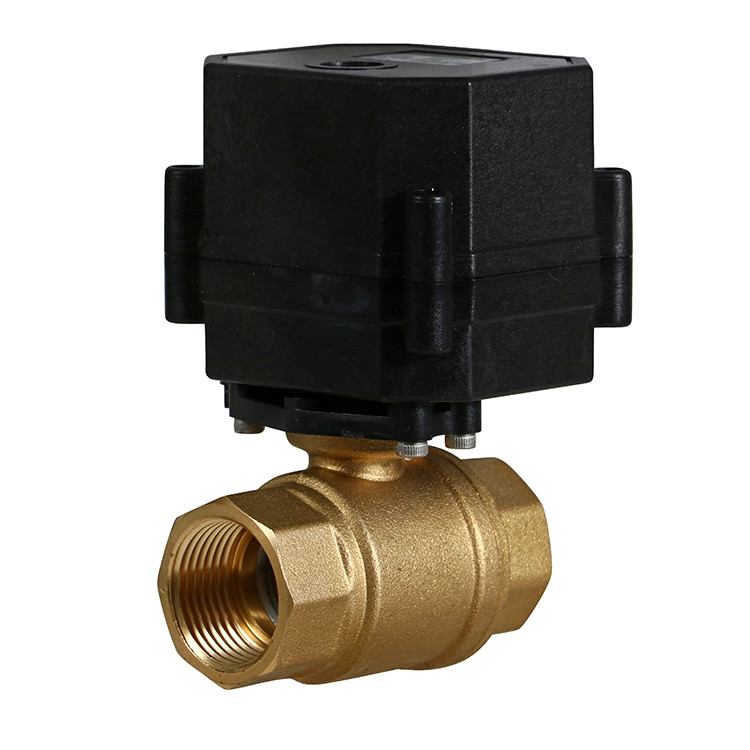
Match the enclosure rating to the environment
Choosing an enclosure with insufficient protection can lead to premature actuator failure.
Consider corrosion risk early
Specifically, if the installation site involves chemicals, salt air, or aggressive cleaning agents, then specifying NEMA 4X instead of NEMA 4 serves as a better long-term decision.
Account for maintenance accessibility
While sealed enclosures protect internal components, it is also essential to consider maintenance access for wiring and service.
Coordinate with site electrical standards
Some industries and facilities require specific enclosure standards as part of the specification process.
Final Thoughts
Motorized ball valves play an important role in industrial systems. At first glance, enclosure ratings may seem like a minor detail compared to valve sizing or actuator torque. In practice, the enclosure rating of the actuator is a critical parameter that directly affects operating reliability.
Understanding NEMA ratings for motorized ball valves helps buyers and specifiers evaluate environmental protection requirements and avoid common failure modes associated with incorrect enclosure selection.
For most industrial applications:
- NEMA 4 is appropriate for general-purpose, non-corrosive environments
- NEMA 4X is preferred for corrosive, washdown, or uncertain conditions
Choosing the correct actuator enclosure rating helps protect motorized ball valves from water, dust, and corrosive exposure and supports more reliable long-term operation.
Sourcing motorized ball valves for outdoor, washdown, or corrosive applications? Atlantic Valves helps distributors and commercial buyers identify the right actuator enclosure, confirm application fit, and move quickly on quotes and product availability.