Brass and stainless steel are two of the most commonly specified valve body materials across industrial and commercial systems. On paper, they can look interchangeable—same valve types, similar configurations, sometimes even overlapping pressure classes.
But in actual projects, especially from an engineering or distribution standpoint, the decision is rarely that simple.
Material selection at this level directly impacts reliability, maintenance frequency, and overall lifecycle cost. For engineers, this usually ties back to design reliability and minimizing unexpected issues during operation. For distributors, it’s a bit different—repeat orders, fewer complaints, less back-and-forth on failures. Same decision, just viewed from a different angle.
Material choice here directly affects how often a valve is replaced, how it behaves under non-ideal conditions, and whether it quietly does its job or becomes a maintenance item.
Key Differences: Brass vs Stainless Steel Valves
At a practical level, the difference usually shows up once the application starts pushing limits. That’s typically where brass and stainless steel separate—not in normal conditions, but when things aren’t as controlled as expected.
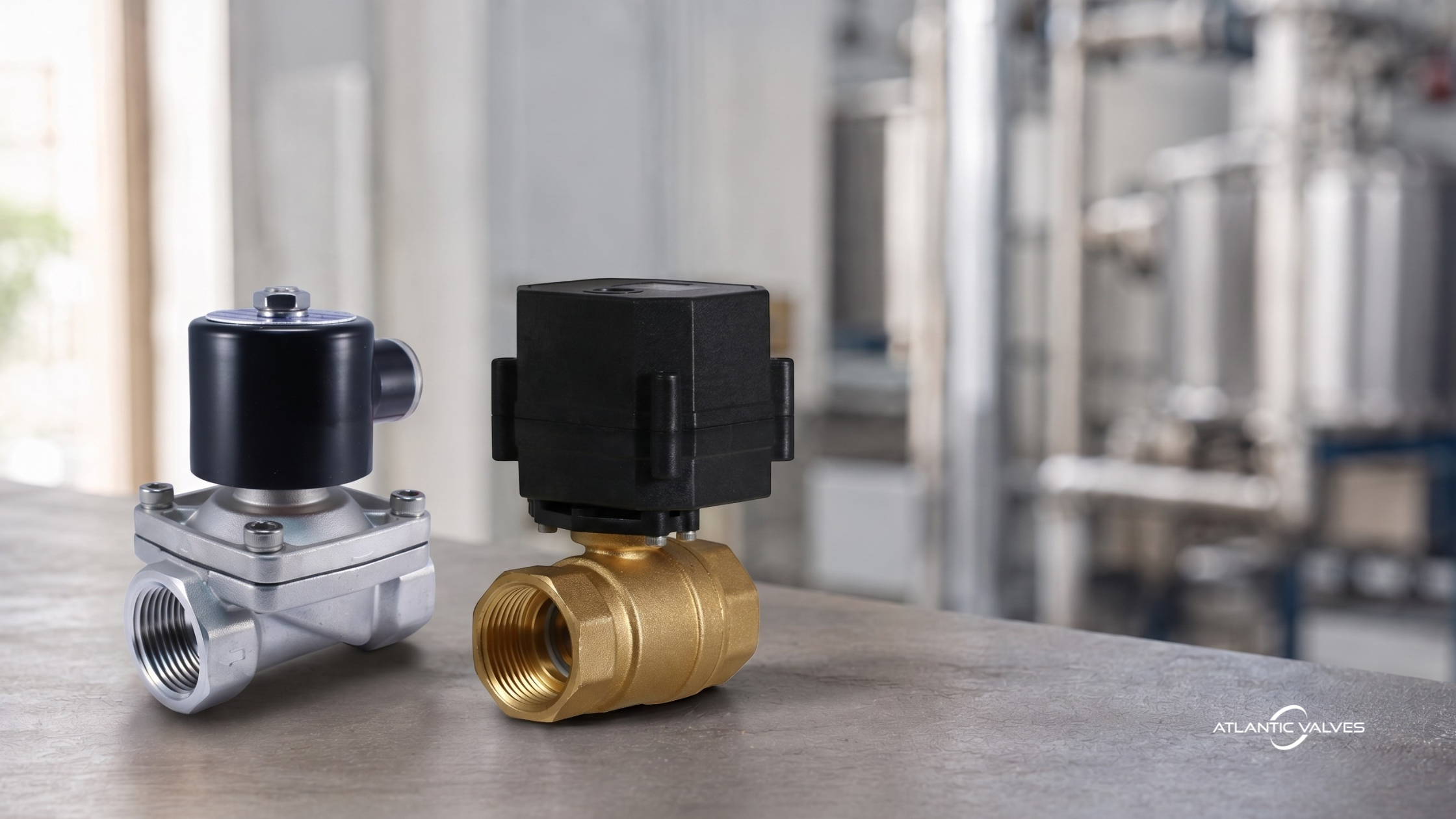
Brass valves are commonly used in general service, mostly because they get the job done without adding much cost. In systems where the media is clean and conditions stay fairly stable, they’re a straightforward choice. You’ll see them a lot in commercial setups or anywhere standardization and availability matter.
Stainless steel tends to come in when those assumptions don’t hold. If there’s any real concern around corrosion, pressure, temperature swings, or inconsistent media, brass can become a weak point pretty quickly. Stainless isn’t always necessary—but when it is, it usually solves problems that would otherwise show up later as maintenance or premature failure.
How Material Choice Affects Valve Performance
Material selection directly influences how a valve performs over time—not just at installation. The following factors should guide valve selection in industrial and commercial systems.
Operating Condition
The installation environment often determines whether brass is sufficient or stainless steel is required.
- Brass valves generally work best in indoor or controlled setups where exposure to moisture, chemicals, or contaminants is limited. In these environments, performance tends to be stable and predictable without needing additional material protection.
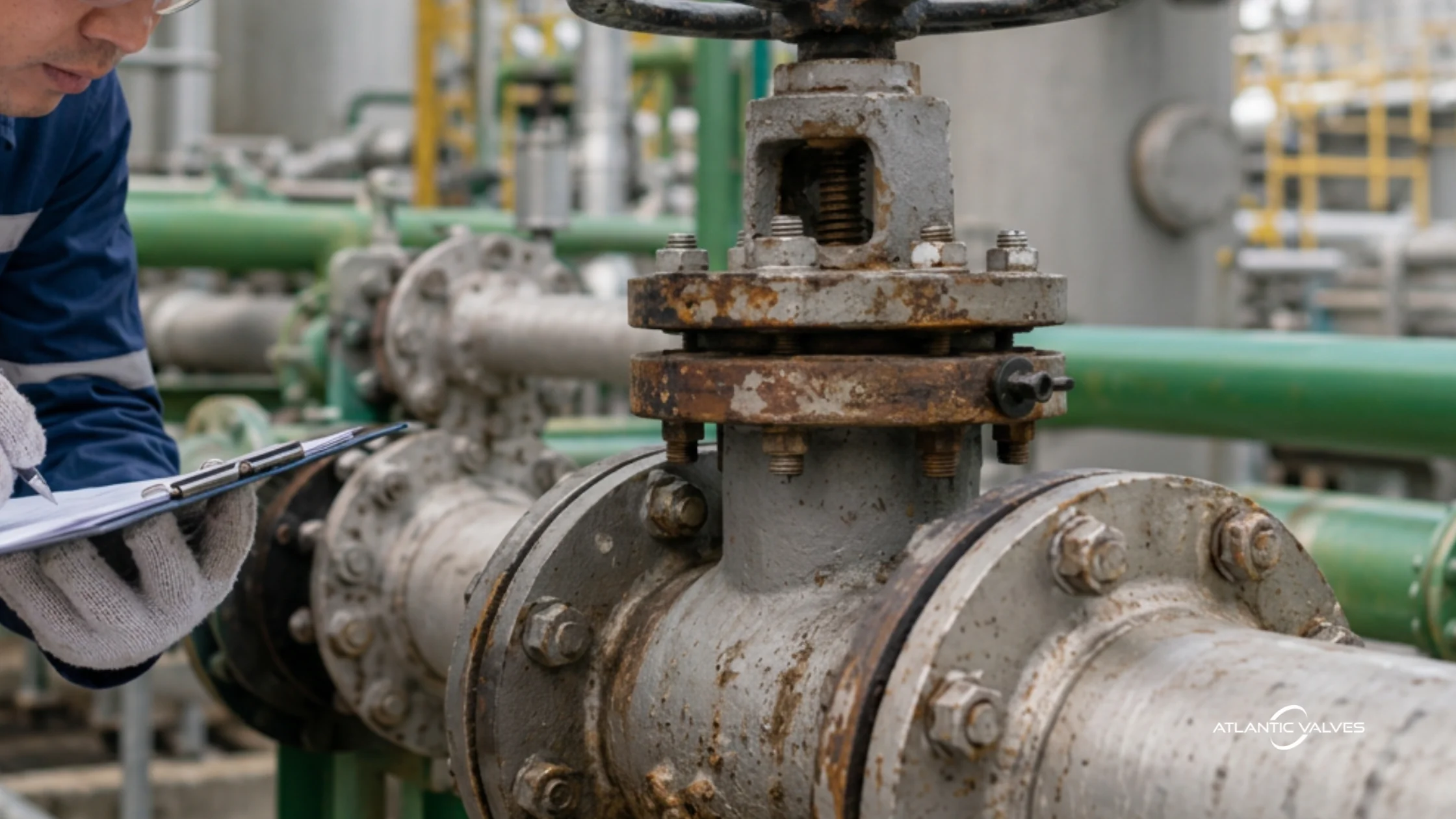
- Stainless steel is more appropriate once conditions become less controlled—outdoor installations, washdown areas, or locations with high humidity or salt exposure. In those cases, corrosion resistance becomes a bigger factor, and stainless tends to hold up better over time. For systems regularly exposed to weather or aggressive cleaning, it’s usually the safer choice.
Media Compatibility
Material compatibility with the process fluid is one of the more sensitive parts of valve selection, and it’s often where issues show up if overlooked.
- Brass is commonly used for water, air, and other non-reactive media where chemical interaction isn’t a concern. It performs adequately as long as the fluid stays within that range.
- Stainless steel covers a wider range—more aggressive chemicals, higher-purity fluids, and applications where contamination needs to be minimized. It’s also less prone to unexpected reactions when process conditions vary slightly.
Note: Media compatibility should always be checked against the actual fluid composition, including concentration and operating conditions. Final selection is best confirmed with a material specialist or supplier.
Durability
Durability impacts how well a valve withstands pressure, temperature, and mechanical stress over time.
- Brass performs well in moderate-pressure systems and relatively stable operating conditions. However, it may wear faster if the application involves frequent cycling, higher loads, or more demanding service conditions. Brass typically has a recommended operating temperature range of -20°C to 200°C (-4°F to 392°F), although some applications may allow temperatures up to 250°C (482°F) depending on the valve design, pressure rating, and service conditions.
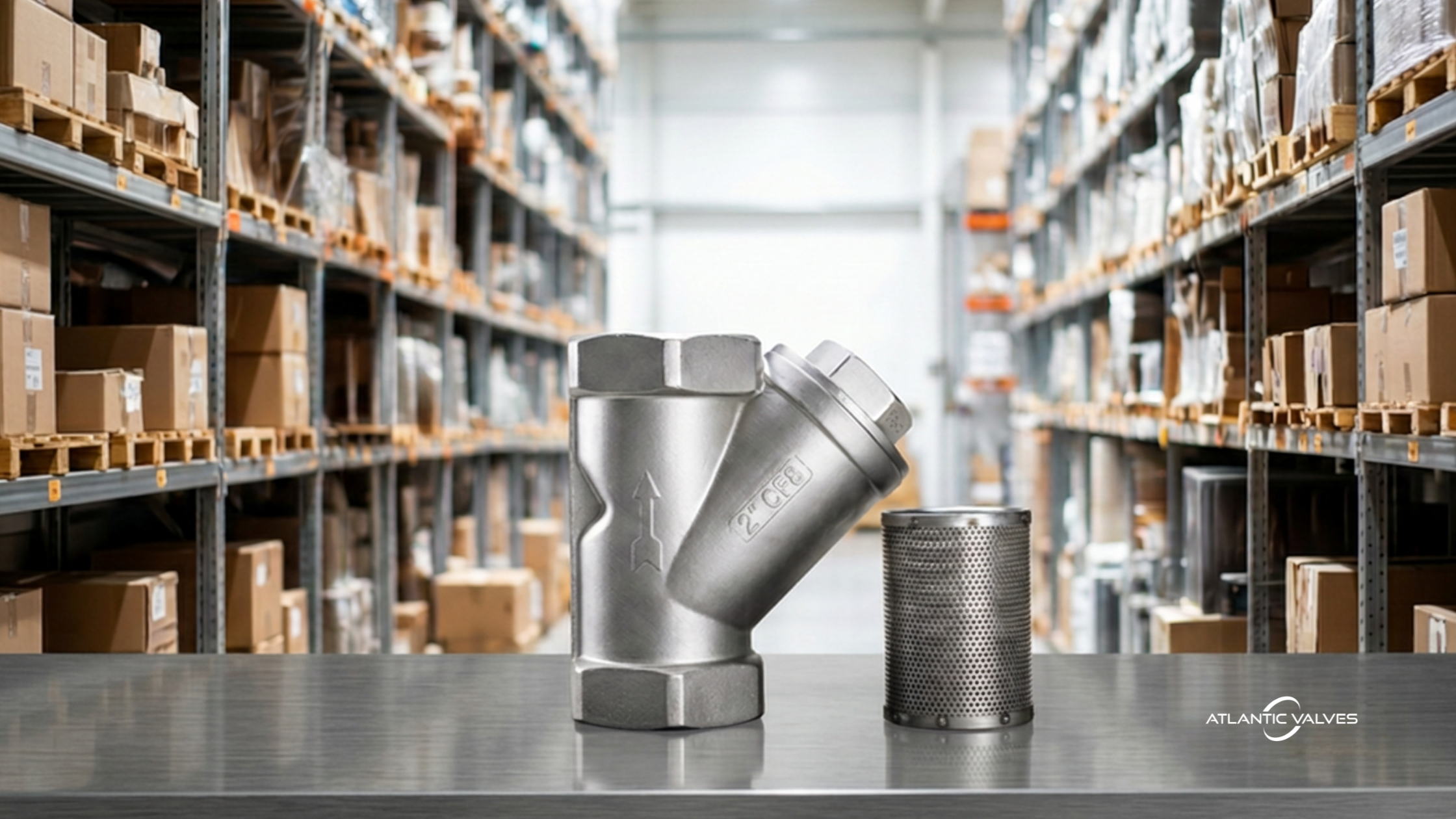
- Stainless steel has higher mechanical strength and generally offers better resistance to fatigue, making it more reliable in continuous-duty or high-stress applications. The stainless steel grades commonly used for valve bodies, such as SS304 (CF8), offer a much wider operating temperature range, typically from -196°C to 425°C (-321°F to 797°F), making them suitable for demanding industrial environments.
It is important to always verify that the pressure-temperature rating of the valves is acceptable with the system requirements.
Maintenance Expectations
Maintenance often ends up reflecting whether the material was a good fit to begin with.
In clean, controlled systems, brass valves usually don’t demand much beyond standard checks. If the media stays non-reactive and exposure is limited, wear is slow and fairly predictable.
Stainless steel behaves differently in that sense. It’s generally less sensitive to those small variations in operating conditions, so degradation isn’t as gradual or condition-dependent.
When downtime starts to carry more weight—whether from production impact or access limitations—that difference becomes more noticeable. Stainless steel offers a bit more consistency over time, which helps reduce unexpected intervention. In simpler systems, though, where conditions stay stable and access isn’t an issue, brass can still be maintained without much complication.
Cost vs Lifecycle Value
Initial cost usually gets the most attention early on, but it doesn’t always tell you much about how the valve will behave a year or two into service.
- Brass is easier to justify from a budget standpoint. Lower purchase cost, widely available, and in a lot of standard systems, it performs well enough that the savings are real. Especially in non-critical lines, it’s hard to argue against using it.
- Stainless steel is a different conversation. The price is higher upfront, no way around that—but in applications where corrosion, frequent cycling, or maintenance access start to matter, that cost tends to show up somewhere else if you go cheaper. Not always immediately, but eventually.
From a procurement side, it’s less about which material is “cheaper” and more about where the cost lands. Upfront, during maintenance, or later in operation. The right choice usually depends on which of those matters more for the system you’re dealing with.
Practical Considerations for Engineers and Distributors
Beyond technical performance, selecting between brass vs stainless steel ball valves requires aligning with project and operational priorities.
| Criteria | Brass Valves | Stainless Steel Valves |
| Typical Use | General-purpose, non-corrosive systems | Industrial, chemical, and harsh environments |
| Operating Environment | Indoor, controlled conditions | Outdoor, humid, washdown, or marine environments |
| Media Compatibility | Water, air, oils | Chemicals, high-purity fluids, aggressive media |
| Corrosion Resistance | Moderate; susceptible to dezincification | High; excellent resistance to corrosion and oxidation |
| Pressure and Temperature | Moderate limits | High pressure and temperature capability |
| Durability | Suitable for light to moderate duty | High strength, suited for demanding applications |
| Maintenance Needs | More frequent in harsh conditions | Lower frequency, longer service intervals |
| Initial Cost | Lower | Higher |
| Lifecycle Value | Lower in aggressive environments | Higher due to durability and reduced downtime |
| Regulatory Compliance | Commonly available with NSF/ANSI 61, NSF/ANSI 372, and cUPC certifications for potable water applications. | May also be available with NSF/ANSI 61, NSF/ANSI 372, and other industry-specific certifications depending on the valve and application (e.g., food processing, pharmaceutical, or sanitary service). |
| System Criticality | Non-critical systems may justify brass | Critical processes often require stainless steel |
These considerations help ensure that material selection supports not just performance, but overall operational efficiency.
Conclusion
The choice between brass and stainless steel ball valves usually comes down to how the material lines up with actual service conditions, not just general preference.
Brass remains a practical and cost-effective choice for water, air, HVAC, irrigation, and other non-corrosive services where pressure, temperature, and media remain within predictable limits. Stainless steel is the better investment for corrosive chemicals, high-pressure systems, elevated temperatures, sanitary processing, and other demanding industrial applications where long-term reliability is critical.
Rather than focusing only on the initial purchase price, evaluate the complete operating environment, expected service life, maintenance requirements, and potential downtime costs. Selecting the right material from the start helps improve system reliability while reducing maintenance and replacement expenses over the life of the equipment.
At Atlantic Valves, we supply a complete range of brass and stainless steel ball valves for commercial and industrial applications. Whether you’re specifying valves for water treatment, food processing, chemical handling, manufacturing, HVAC, or OEM equipment, our team can help confirm the right material, pressure rating, end connection, and valve configuration for your application.
Need help selecting the right ball valve? Browse our brass and stainless steel ball valve product ranges, or contact the Atlantic Valves team for expert application support and specification guidance.