The Atlantic Valves Resource Blog

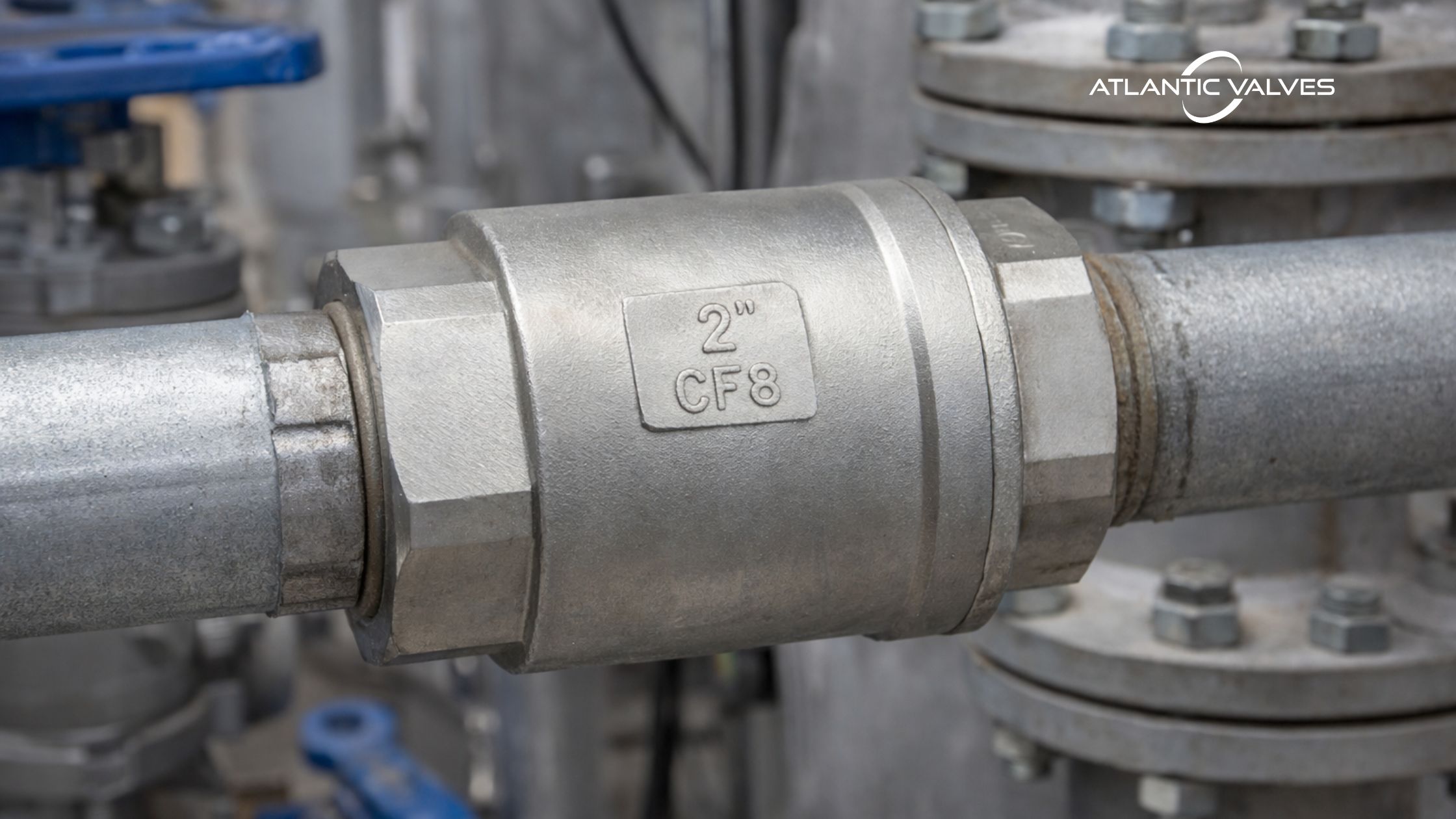
Inline check valves help prevent reverse flow, but correct selection depends on more than matching the valve to the pipe size. This guide explains how inline check valves work, what makes them different from swing check valves, and how to evaluate sizing, flow velocity, cracking pressure, pressure drop, installation orientation, and material compatibility for reliable industrial performance.

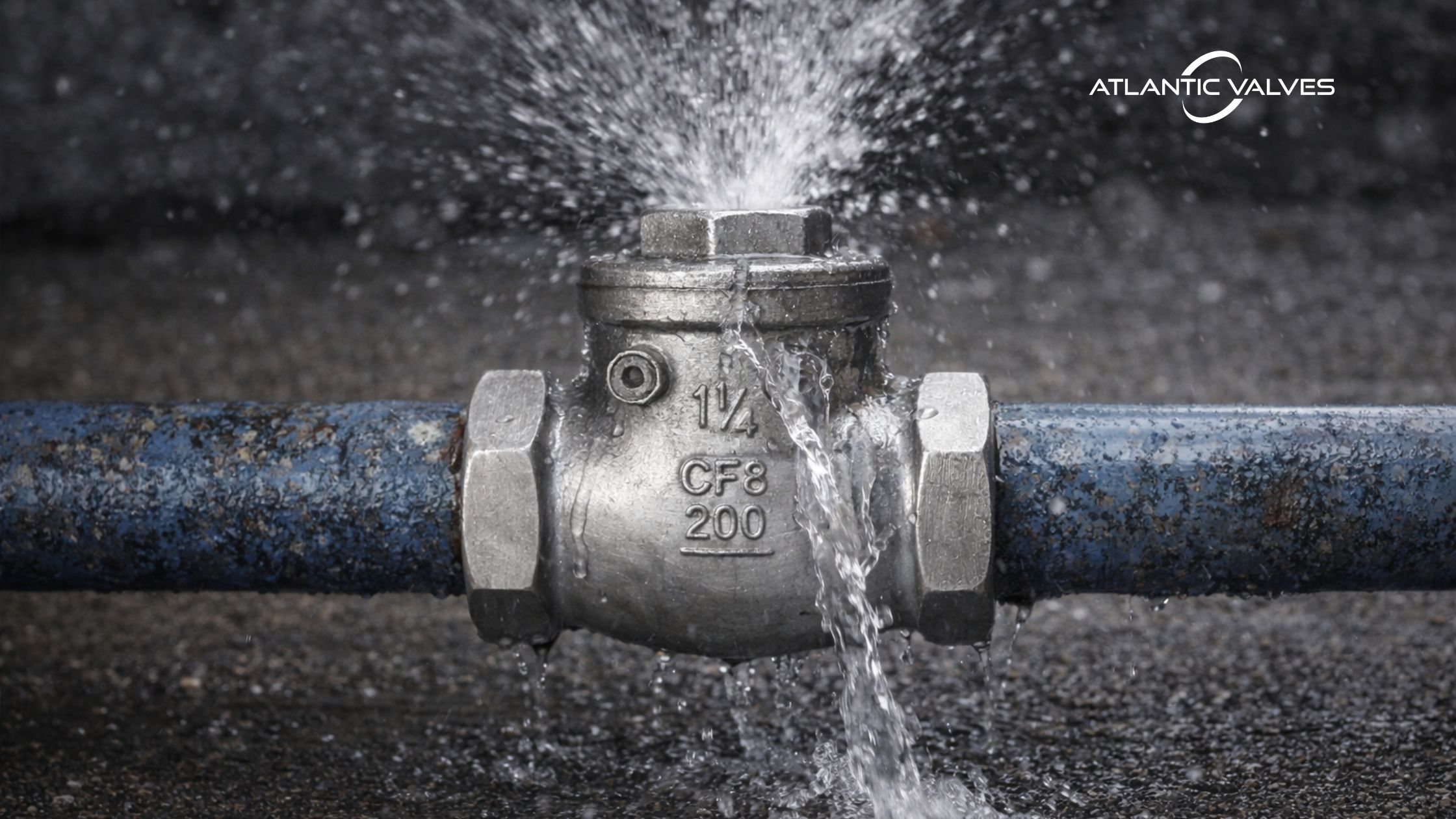
Industrial water systems often experience check valve failures due to water hammer, disc chatter, leakage, and incorrect sizing. This guide explains the most common failure mechanisms and how proper valve selection prevents system damage and reliability issues.
Choosing the correct water line check valve requires evaluating flow behavior, pressure class, material compatibility, and pump shutdown dynamics. This guide explains how engineers approach real-world industrial selection.
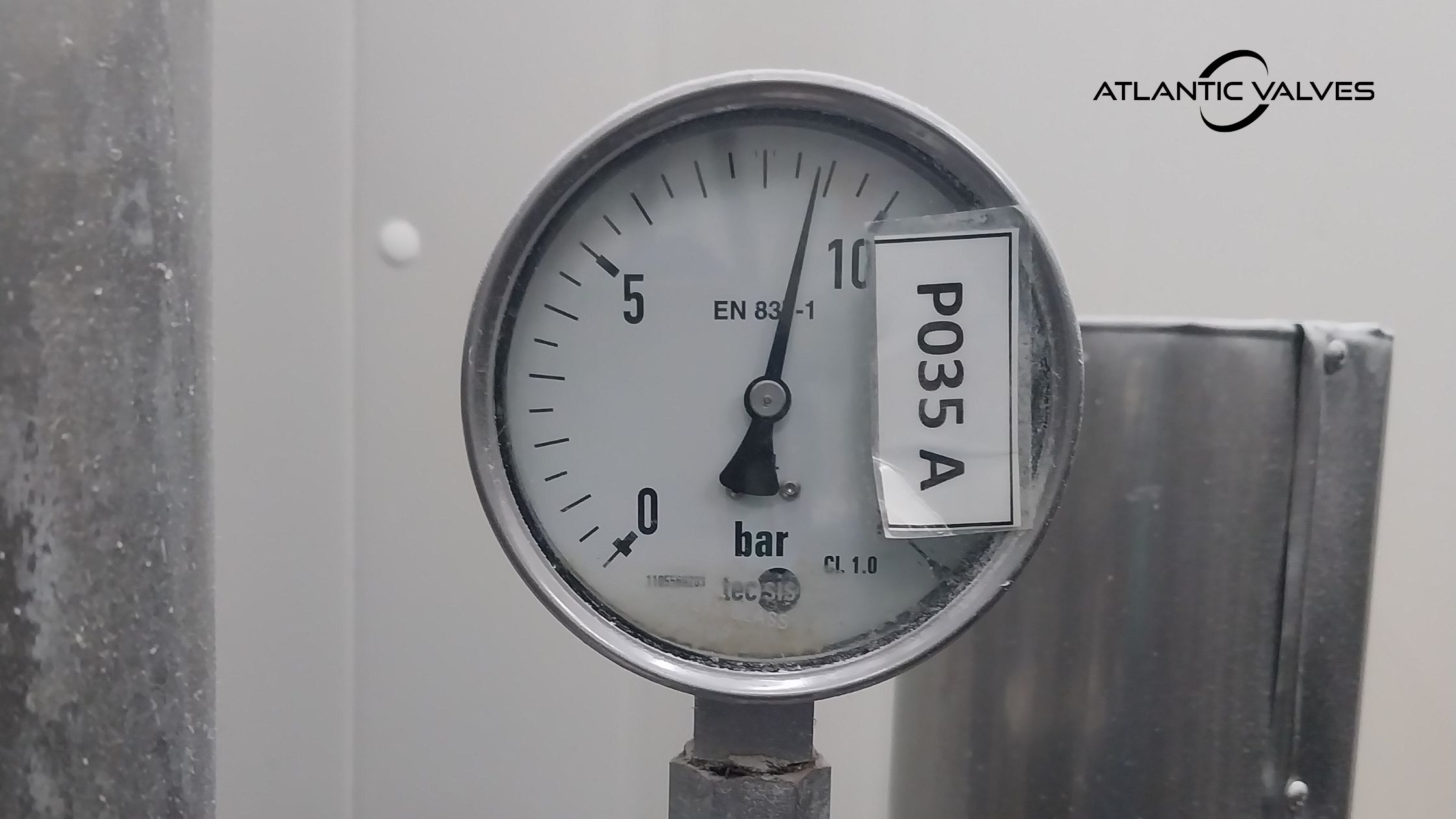
Learn how to read a valve pressure temperature rating table, avoid derating mistakes, and select valves that meet ASME standards and real operating conditions.
Check valve sizing refers to selecting a valve based on actual system flow and operating velocity, not simply matching pipe size. Proper sizing ensures stable disc movement, reduces water hammer, and prevents nuisance failures.
Valve Cv is more than a catalog number. Understanding how Cv relates to flow rate, pressure drop, and operating conditions is critical to proper valve sizing, stable control, and long-term system performance.